Image resizing tools help you make your digital pictures smaller without making them look bad. These tools use special methods to shrink image files, which is perfect for websites, emails, and social media. Finding good free image resizers can save you time and money while keeping your photos looking great.
This guide shows you 10 excellent free tools that reduce image file size while keeping quality high. We’ll look at both online tools and downloadable programs. Each tool has different strengths, so you can pick the best one for your needs. Whether you’re a student, blogger, or small business owner, these tools will help you work with images more effectively.
Why Image Size Matters
Large image files slow down websites. When images are too big, pages take longer to load. This makes visitors leave your site. Studies show that over half of mobile users will leave if a page takes more than 3 seconds to load. Making images smaller helps keep people on your site.
Big images also use more data. This is a problem for people with limited internet. Smaller images help websites load faster for everyone. Search engines like Google also rank faster websites higher. So smaller images can help more people find your site through searches.
How Image Resizing Works Without Quality Loss
Image resizing without quality loss uses smart compression methods. These methods remove unnecessary data while keeping important parts of your image. There are two main types: lossy and lossless. Lossy compression removes some data permanently. Lossless compression keeps all original data.
The size and resolution of an image affect its file size. Higher resolution images have more pixels. This makes larger files. Modern image resizers use smart technology to keep images clear even when making them smaller. Different image formats work differently with resizing. JPEG is good for photos. PNG works better for images with text or transparent backgrounds.
Top 10 Free Image Resizers
1. TinyPNG
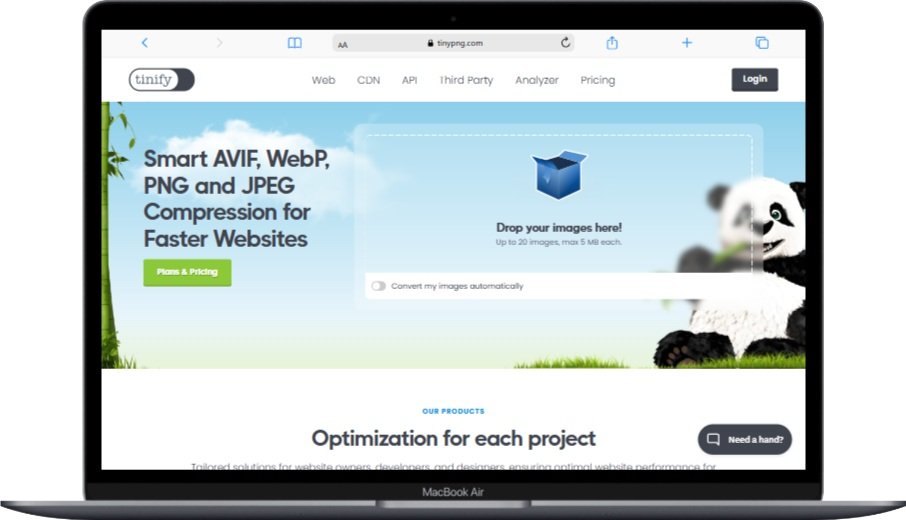
TinyPNG is a popular online tool for compressing image sizes. It reduces PNG and JPEG files without losing quality. This tool is great for web designers, bloggers, and anyone optimizing images for websites. TinyPNG uses smart lossy compression to remove unnecessary data while keeping visual quality high.
Using the tool is very easy. You don’t need any technical skills to achieve good results. TinyPNG can cut file sizes by up to 70% while maintaining excellent image quality. This helps your website load faster while looking good. The free version lets you compress up to 20 images per month, which works well for most casual users.
Key features of TinyPNG include:
- Ability to process up to 20 images at once
- Works with both PNG and JPEG formats
- Available as a WordPress plugin
- Offers API access for developers
To use TinyPNG, just go to their website, upload your images, and download the compressed versions. The tool usually makes files 50-70% smaller while keeping excellent quality. The free version lets you compress up to 20 images per month, which is enough for most casual users.
Pros:
- Very easy to use
- Makes files significantly smaller
- Keeps transparent backgrounds in PNG files
- No need to create an account for basic use
Cons:
- Monthly limit on free usage
- Requires internet connection
- Only works with PNG and JPEG formats
2. GIMP
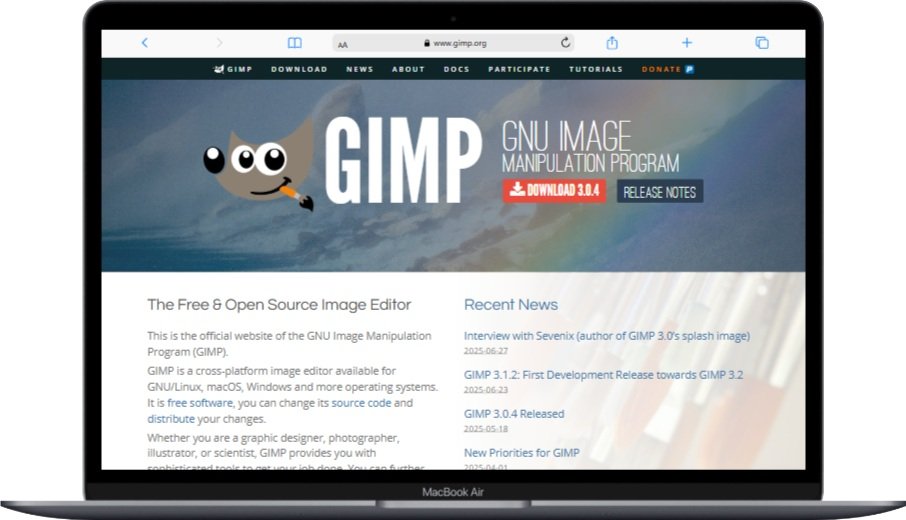
GIMP is a powerful free program for your computer that works like Adobe Photoshop. It offers professional image editing capabilities without the high price tag. This tool is ideal for photographers, graphic designers, and anyone who needs advanced image editing features. GIMP provides complete control over image resizing and compression.
The program supports numerous file formats and offers various resizing methods. You can adjust every aspect of the resizing process to get exactly the results you want. GIMP is particularly good for maintaining image quality when making significant size changes. It’s also excellent for batch processing multiple images at once.
Key features of GIMP include:
- Different resizing methods to choose from
- Supports many image formats including JPEG, PNG, GIF, and more
- Can process multiple images at once with add-ons
- Customizable compression settings for quality control
To resize an image in GIMP, open your picture, go to Image > Scale Image, enter your desired size, choose how you want it resized, and click Scale. When saving, you can adjust the compression settings to find the right balance between file size and quality.
Pros:
- Completely free with no limits
- Professional-level features
- Works without internet
- Supports many different image formats
Cons:
- Takes some time to learn
- Requires downloading and installing
- Might be too complex for simple resizing tasks
3. ImageResizer
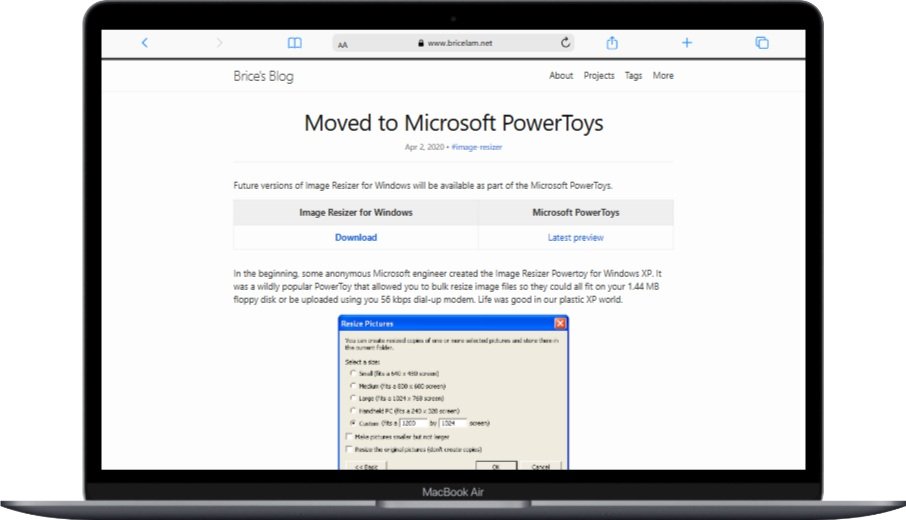
ImageResizer is a handy Windows program that makes resizing images incredibly simple. It integrates directly with Windows Explorer, allowing you to resize images with just a right-click. This tool is perfect for anyone who frequently needs to resize images without opening a full editing program. It’s especially useful for content creators and office workers who deal with many images daily.
The program offers several preset sizes and custom options. You can resize a single image or multiple images at once. ImageResizer maintains the original aspect ratio to prevent distortion. It also preserves the original images, creating new resized versions instead of overwriting your files.
Key features of ImageResizer include:
- Works directly in Windows Explorer
- Several preset sizes and custom size options
- Can process multiple images at once
- Options to keep the right proportions and quality
To use ImageResizer, install the program, right-click on one or more images in Windows Explorer, select “Resize pictures,” choose your size, and click Resize. The tool creates new resized images while keeping your originals safe.
Pros:
- Very fast and convenient
- Simple to use with no learning needed
- Handles multiple images efficiently
- Keeps original images unchanged
Cons:
- Only works on Windows
- Limited advanced compression options
- No preview before resizing
4. Squoosh
Squoosh is a modern web-based image compression tool developed by Google. It offers advanced features while maintaining a user-friendly interface. This tool is perfect for tech-savvy users who want precise control over image compression. Squoosh supports next-generation image formats that provide better compression than traditional formats.
The tool stands out with its real-time comparison feature. You can see the original and compressed images side by side as you adjust settings. This makes it easy to find the perfect balance between file size and quality. Squoosh also works offline after loading, making it convenient for users with unreliable internet connections.
Key features of Squoosh include:
- Supports multiple formats including JPEG, PNG, WebP, and AVIF
- Real-time comparison of original and compressed images
- Advanced compression settings for fine-tuning
- Works offline after loading the page once
To use Squoosh, go to their website, upload an image, select your desired format, adjust the compression settings, and download the compressed image. The tool shows you how much smaller the file gets and how the quality changes in real time.
Pros:
- No usage limits or registration needed
- Advanced compression options
- Works offline after initial loading
- Side-by-side comparison feature
Cons:
- Needs a modern web browser
- A bit more complex than basic tools
- Limited batch processing capabilities
5. IrfanView
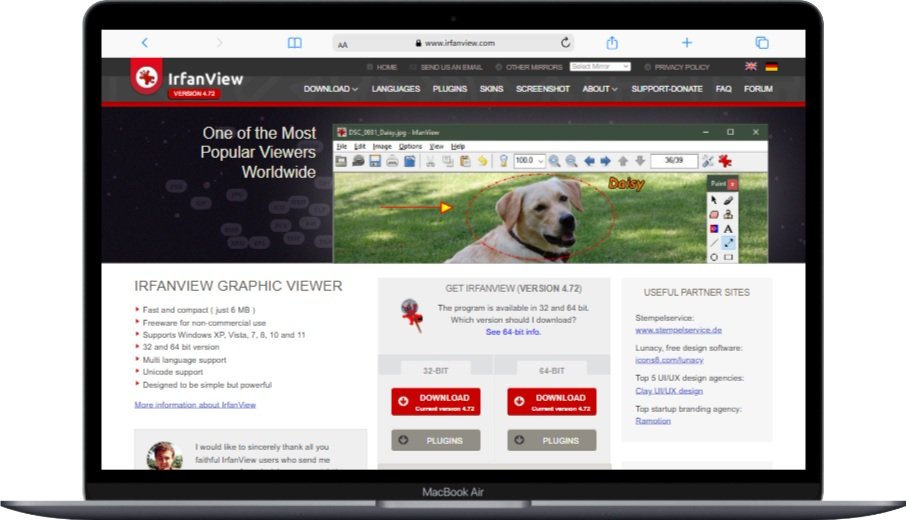
IrfanView is a lightweight yet powerful image viewer and editor for Windows. It has been a favorite among users for decades due to its speed and efficiency. This tool is ideal for anyone who needs a quick way to view, edit, and resize images without installing a large program. It’s particularly popular among photographers and office workers.
Despite its small size, IrfanView offers impressive features. It supports virtually all image formats and provides several resizing methods. The batch processing feature is especially useful for handling multiple images at once. IrfanView also includes basic editing tools, making it a versatile solution for everyday image tasks.
Key features of IrfanView include:
- Supports many image formats
- Batch conversion and resizing capabilities
- Advanced resizing options with different methods
- Small program size and fast performance
To resize images with IrfanView, open the program, go to File > Batch Conversion, add your images, select the output format, click on “Advanced” to set resizing options, choose your desired dimensions, and start the batch process.
Pros:
- Very lightweight and fast
- Excellent batch processing
- Supports many formats
- Completely free for personal use
Cons:
- Only works on Windows
- Older-looking interface
- Limited editing features compared to full editors
6. ILoveIMG
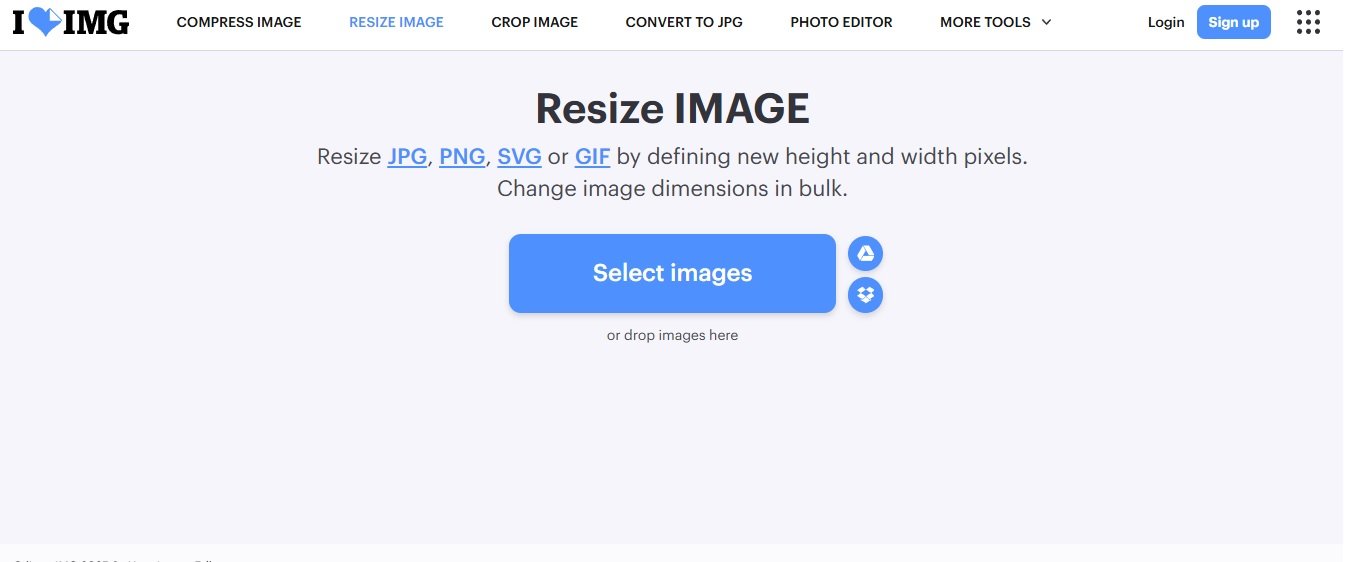
ILoveIMG is a flexible web-based platform with various image editing tools. It includes resizing, compression, and format conversion. This online tool is great for quick image optimization without needing to install software. It’s especially helpful for content creators, social media managers, and small business owners who frequently use images.
The platform is known for its easy-to-use interface and strong features. ILoveIMG allows you to resize images by pixels, percentage, or dimensions while keeping the aspect ratio intact. It also supports batch processing for multiple images and shows real-time previews of changes. You can access the tool directly in your browser from any device with internet access.
Key features of ILoveIMG include:
- Resize by pixels, percentage, or dimensions
- Batch processing for multiple images
- Support for JPEG, PNG, GIF, WebP, and other formats
- Real-time preview of resized images
- Additional image editing tools like compression and format conversion
To use ILoveIMG, visit their website, upload your images, select your desired resizing method, adjust the settings, preview the results, and download your optimized images. The tool maintains image quality while significantly reducing file size.
Pros:
- Completely web-based, no installation needed
- Intuitive interface with clear instructions
- Supports batch processing
- Works on any device with internet access
- Offers additional image editing features
Cons:
- Requires internet connection
- Free version has limitations on number of images per day
- May have slower processing with very large images
7. Caesium Image Compressor
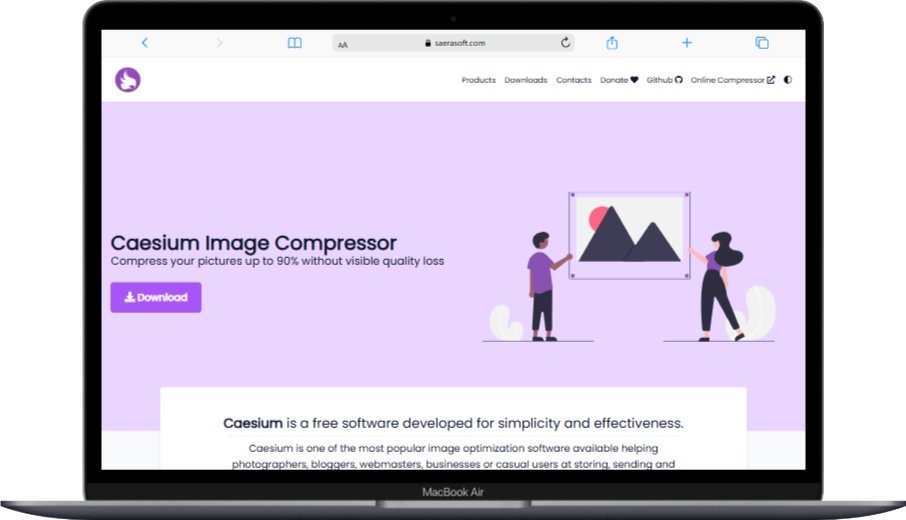
Caesium Image Compressor is a tool designed to reduce image file sizes without losing quality. It’s ideal for users looking for an easy solution for image optimization. Web developers and bloggers will find it especially handy for preparing images for the web. Caesium runs on Windows, Mac, and Linux, so it’s available to many users.
This tool is known for its simplicity and effectiveness. You can see a real-time preview of compressed images, which helps you check results before saving. Caesium supports common image formats and lets you adjust compression levels. This gives you control over file size and quality.
Key features of Caesium Image Compressor include:
- Supports JPEG, PNG, and WebP formats
- Real-time preview of compressed images
- Processes multiple images at once
- Adjustable compression levels for quality control
To use Caesium Image Compressor, download and install the program. Then, add your images, choose your format and compression level, preview the results, and save the compressed images. The tool shows how much smaller the files become and how well the quality is kept.
Pros:
- Works on Windows, Mac, and Linux
- Simple, focused interface
- Real-time preview feature
- Good compression results
Cons:
- Supports fewer formats than comprehensive tools
- Basic interface with fewer advanced options
- Sometimes has problems with very large images
8. XnResize
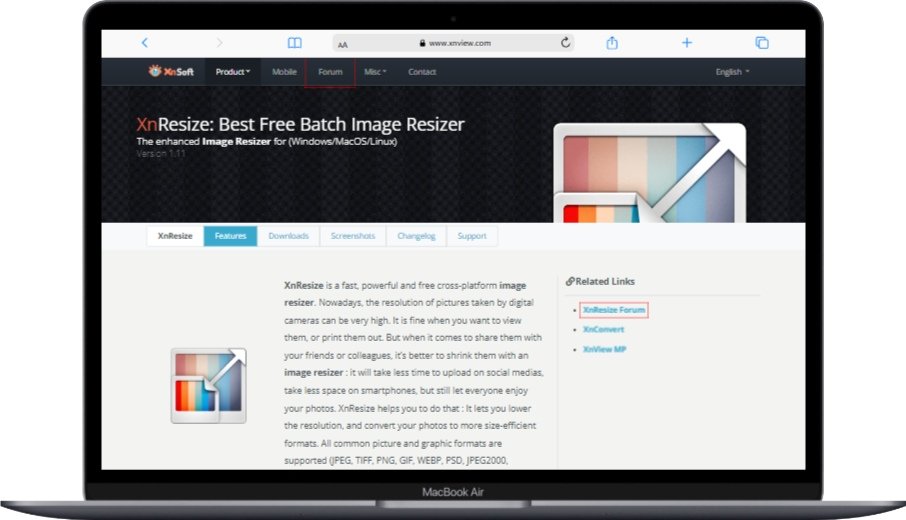
XnResize is a handy image resizing tool packed with powerful features. It’s part of the XnView family, known for reliability and versatility. XnResize is perfect for users who resize many images often. Photographers, web designers, and digital marketers love it.
The tool supports over 500 image formats, including less common ones. XnResize offers various resizing methods to ensure great quality. It also has features like watermarking and text overlays, making it a complete solution for image prep.
Key features of XnResize include:
- Supports over 500 image formats
- Advanced resizing options with different methods
- Processes multiple images at once
- Watermarking and text overlay features
To use XnResize, download and install the program. Then, add your images, select the format, and set the dimensions. Choose the resizing method, adjust quality settings, and start resizing. The tool creates new images while keeping your originals safe.
Pros:
- Supports many formats
- Powerful batch processing
- Advanced resizing options
- Works on Windows, Mac, and Linux
Cons:
- Interface can be confusing for beginners
- Some features take time to learn
- Sometimes slows down with very large batches
9. BIRME
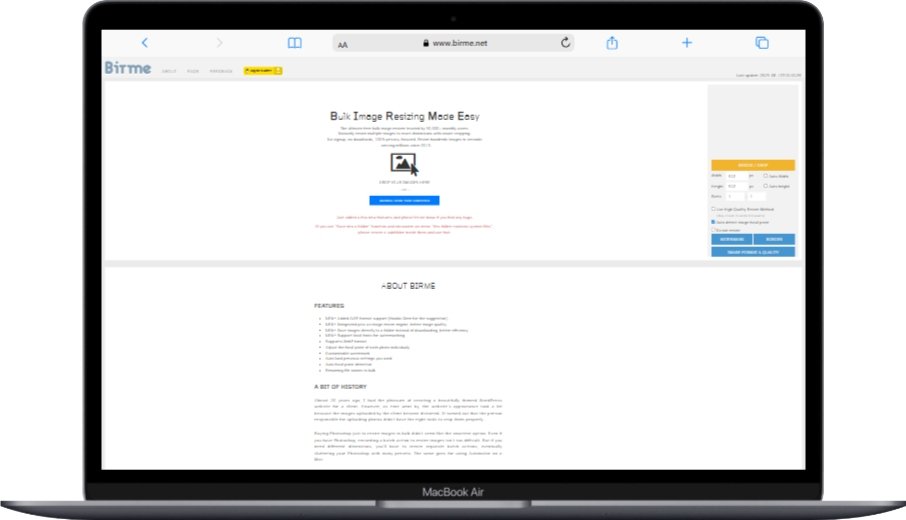
BIRME (Bulk Image Resizing Made Easy) is a strong web tool for batch resizing images. This online service is great for users who want to resize many images at once, without installing software. It’s especially helpful for photographers, e-commerce sellers, and social media managers who often handle many images.
BIRME has a clean, easy-to-use interface for batch processing. You can upload multiple images at the same time and apply the same resizing settings. Resize by dimensions, percentage, or file size while keeping the aspect ratio. The tool also lets you add watermarks and adjust image quality.
Key features of BIRME include:
- Batch processing for multiple images
- Resize by dimensions, percentage, or file size
- Option to maintain aspect ratio
- Watermarking capabilities
- Support for JPEG, PNG, and WebP formats
To use BIRME, visit their website, upload your images (you can drag and drop multiple files), set your desired dimensions and quality options, add a watermark if needed, and click the resize button. Once processed, you can download all your resized images as a ZIP file.
Pros:
- Completely web-based, no installation needed
- Excellent for batch processing multiple images
- Simple drag-and-drop interface
- Watermarking capabilities
- No registration required for basic use
Cons:
- Requires internet connection
- Free version has limitations on number of images per batch
- Limited advanced editing features compared to desktop software
10. FileOptimizer
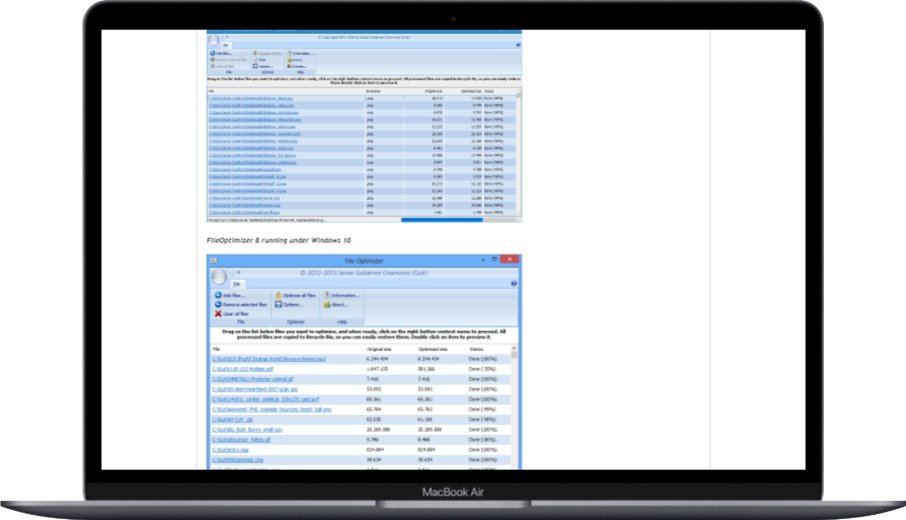
FileOptimizer is a great file compression tool that handles more than just images. It’s ideal for anyone looking to optimize various file types, not just pictures. This tool helps web developers, content creators, and others reduce file sizes across formats. FileOptimizer uses several compression methods to deliver the best results.
It supports many file formats, including images, documents, and archives. You can choose between lossless and lossy compression modes, allowing control over quality and size. FileOptimizer can process multiple files at once, making it efficient for bulk tasks. Though it has a learning curve, its strength and flexibility are worth the effort.
Key features of FileOptimizer include:
- Supports many image formats including JPEG, PNG, GIF, WebP, and more
- Advanced compression options using multiple methods
- Can process multiple files at once
- Both lossless and lossy compression modes
To use FileOptimizer, download and install the program, add your images, select your desired optimization settings, and start the optimization process. The tool automatically applies the best compression techniques to reduce file size while maintaining quality.
Pros:
- Optimizes many file types beyond just images
- Advanced compression options
- Batch processing capabilities
- Free and regularly updated
Cons:
- Complex interface with many options
- Can be overwhelming for beginners
- Slower than dedicated tools
- Limited preview capabilities
Comparison of the Top Image Resizers
| Tool Name | Platform | Format Support | Batch Processing | Ease of Use | Special Features |
|---|---|---|---|---|---|
| TinyPNG | Web-based | JPEG, PNG | Yes (20 images) | Very Easy | WordPress plugin, API access |
| GIMP | Windows, Mac, Linux | Many formats | Yes (with add-ons) | Medium | Professional editing features |
| ImageResizer | Windows | Common formats | Yes | Very Easy | Windows Explorer integration |
| Squoosh | Web-based | JPEG, PNG, WebP, AVIF | Limited | Easy | Side-by-side comparison |
| IrfanView | Windows | Many formats | Yes | Easy | Fast image viewer |
| ILoveIMG | Web-based | JPEG, PNG, GIF, WebP | Yes | Very Easy | Multiple image editing tools |
| Caesium Image Compressor | Windows, Mac, Linux | JPEG, PNG, WebP | Yes | Medium | Real-time preview |
| XnResize | Windows, Mac, Linux | Over 500 formats | Yes | Medium | Watermarking features |
| BIRME | Web-based | JPEG, PNG, WebP | Yes | Easy | Batch processing with watermarking |
| FileOptimizer | Windows | Many formats | Yes | Difficult | Multiple file type optimization |
Best uses for each tool:
- TinyPNG: Best for casual users who need quick, high-quality compression for web images without technical knowledge.
- GIMP: Ideal for users who need professional-level control over image resizing and editing.
- ImageResizer: Perfect for Windows users who resize images often and want the convenience of right-click resizing.
- Squoosh: Great for users who want to try different compression settings and see results immediately.
- IrfanView: Good for users who need both image viewing and basic resizing in a lightweight program.
- ILoveIMG: Perfect for users who need a versatile web-based tool for resizing, compressing, and converting images.
- Caesium Image Compressor: Perfect for users on different systems who want a dedicated tool for image compression.
- XnResize: Best for users who need to resize images in less common formats or want watermarking features.
- BIRME: Ideal for users who need to resize multiple images at once with a simple web-based interface.
- FileOptimizer: Perfect for users who need to optimize many file types beyond just images.
Tips for Getting the Best Results When Resizing Images
Choosing the Right Image Format
Choosing the right format is important for quality and file size. Use JPEG for photos and complex images. It lowers file size with minimal quality loss. PNG is best for images with text, sharp edges, or transparency. It keeps these features clear. WebP gives better compression for both photos and graphics, but not all browsers support it yet.
Understanding Aspect Ratios
Understanding aspect ratios prevents stretching or squishing your images. The aspect ratio is the width-to-height relationship, written as two numbers (like 16:9). When resizing, keep the original aspect ratio. Most resizers have an option to “maintain aspect ratio.” This adjusts the other dimension automatically when you change one.
Batch Processing Efficiency
Batch processing saves time when resizing multiple images. Many tools can handle several images at once with the same settings. Organize images into folders based on use. This simplifies the process and ensures consistent results.
Balancing Quality and File Size
Finding the right balance of quality and file size takes practice. For web images, aim for the smallest size that still looks good. Most resizers have quality sliders to help you adjust. Start with medium compression, then increase until you see quality drop. Back off a bit for the best results.
FAQ Section
Can image resizers actually reduce file size without losing quality?
Yes, they can reduce file size without noticeable quality loss. They use smart compression to remove unneeded data while keeping important visual details. The success depends on the method, settings, and original image.
Is it better to resize images online or using desktop software?
It depends on your needs. Online tools are convenient and work on any device with internet. Desktop software often offers more features and better performance for large batches. For occasional use, online tools are fine. For frequent or professional work, desktop programs are usually better.
Are free image resizers as effective as paid ones?
Yes, many free resizers work just as well as paid ones for basic needs. Tools like GIMP and IrfanView offer professional features at no cost. However, paid software may have extra features or better support that professionals might need.
Will resizing an image multiple times degrade its quality?
Yes, repeatedly resizing and saving, especially with lossy formats like JPEG, can lower quality due to compression artifacts. Always work from the original image when possible, and avoid saving lossy formats multiple times.
Can I resize images on my smartphone or tablet?
Yes, many mobile apps for iOS and Android let you resize images. These apps vary in features, from basic resizing to advanced compression. Popular options include Image Size, Photo Compress, and Adobe Photoshop Express.
What is the ideal image size for websites?
The ideal size depends on how the image will be used. Full-width banners typically range from 1600-2500 pixels wide, while content images are usually 800-1200 pixels wide. Use the smallest dimensions that look good at their intended size.
How much can I reduce an image’s file size without noticeable quality loss?
The amount varies by image content, format, and original quality. Generally, JPEGs can reduce by 50-70% with minimal loss, while PNGs typically see 20-50% reduction with lossless compression. Complex images may show quality loss sooner.
Do all image resizers support transparent backgrounds?
No, not all support transparency. PNG, GIF, and WebP formats allow it, while JPEG does not. When working with transparent images, use a tool that preserves transparency and save in a compatible format.
Can I resize animated GIFs without losing the animation?
Yes, some tools can resize animated GIFs while keeping the animation. GIMP, Ezgif.com, and FileOptimizer support this. Many basic resizers will only resize the first frame, making the GIF static.
Is there a difference between resizing and compressing an image?
Yes, resizing changes the dimensions of an image, affecting pixel count and file size. Compressing reduces file size by optimizing data storage without changing dimensions. For best results, use both techniques together.
You May Also Like
 Online Services
8 Best Sites Like Fiverr (Fiverr Alternatives) To Earn Money As A Freelancer
 Online Services
20 Best Sites To Download Free Stock Photos For Personal and Commercial Use
 Cyber Security
Is Temu Legit or a Scam? The Complete Truth You Need to Know
 Online Services
How to Use WhatsApp on PC & Laptop (Easy 2026 Guide)
 Online Services
10 Best Free PDF Editor Tools Online And Offline For Windows 10/11
 Online Services
22 Best Free Sites to Receive SMS Online for Verification Without a Phone
 Converter
10 Best Free YouTube to MP3 Converter Sites for 2026
 Online Services
15 Free Movie Apps for Android: Your Complete Guide to Legal Streaming in 2026
 Cyber Security