As the number of Wi-Fi networks continues to explode in 2026, detecting, managing, and maintaining your wireless connection has become more challenging than ever. When everyone around you broadcasts their Wi-Fi signals—especially in large apartment complexes or office buildings with numerous businesses—you’re more likely to experience issues with Wi-Fi signals dropping, poor connectivity, and slow performance.
Wireless connectivity has become essential for both business operations and personal communication. But if you’ve ever managed a wireless LAN environment, you know it’s just as much an art as it is a science. That’s why having an arsenal of tools to analyze and troubleshoot Wi-Fi performance, interference, and placement is absolutely necessary. Even better when these tools are free.
Wi-Fi might be simple to configure, but optimizing, securing, and diagnosing problems with a wireless network can be challenging. There are excellent tools available that will help you maximize your wireless experience. The following is a comprehensive list of the Best Free Wireless Networking Tools to optimize Wi-Fi performance in your area, updated for 2026 and beyond.
10 Best Free Wireless Networking Tools – Free WiFi Analyzers
1. inSSIDer
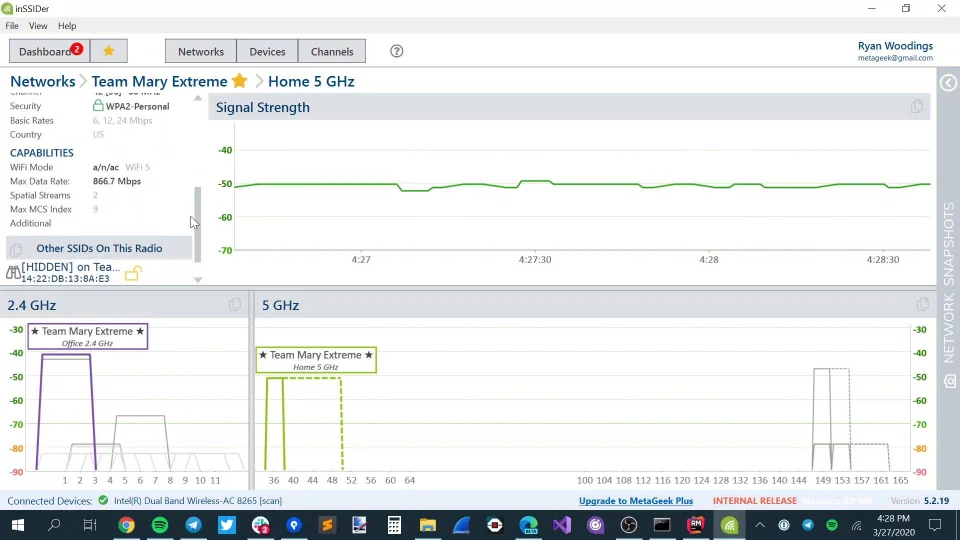
inSSIDer remains one of the most reliable Wi-Fi analyzers. This powerful network scanner helps you visualize Wi-Fi networks and their signal strengths, making it easier to optimize your wireless network performance. The tool uses advanced network analysis algorithms to detect nearby networks, channels, and potential interference sources that could impact your connectivity.
When I use inSSIDer, I appreciate how it provides real-time data visualization of all wireless networks in my vicinity. The software’s packet capture functionality allows for deep packet inspection, enabling network administrators to identify bandwidth hogs and security threats. The link scoring system helps you quickly determine which networks offer the best connectivity options.
Key Features:
- Real-time Wi-Fi network visualization
- Channel analysis and optimization recommendations
- Signal strength monitoring and graphing
- Packet capture and analysis capabilities
- Security protocol detection
- Link scoring system for network quality assessment
Pros:
- User-friendly interface suitable for beginners and professionals
- Comprehensive network data collection
- Excellent visualization tools
- Regular updates with new features
- Compatible with most Windows versions
Cons:
- Limited functionality in free version
- Some advanced features require subscription
- Can be resource-intensive on older computers
Best For: Network administrators and IT professionals who need detailed Wi-Fi analysis capabilities and businesses looking to optimize their wireless network performance without investing in expensive enterprise solutions.
2. Wireshark
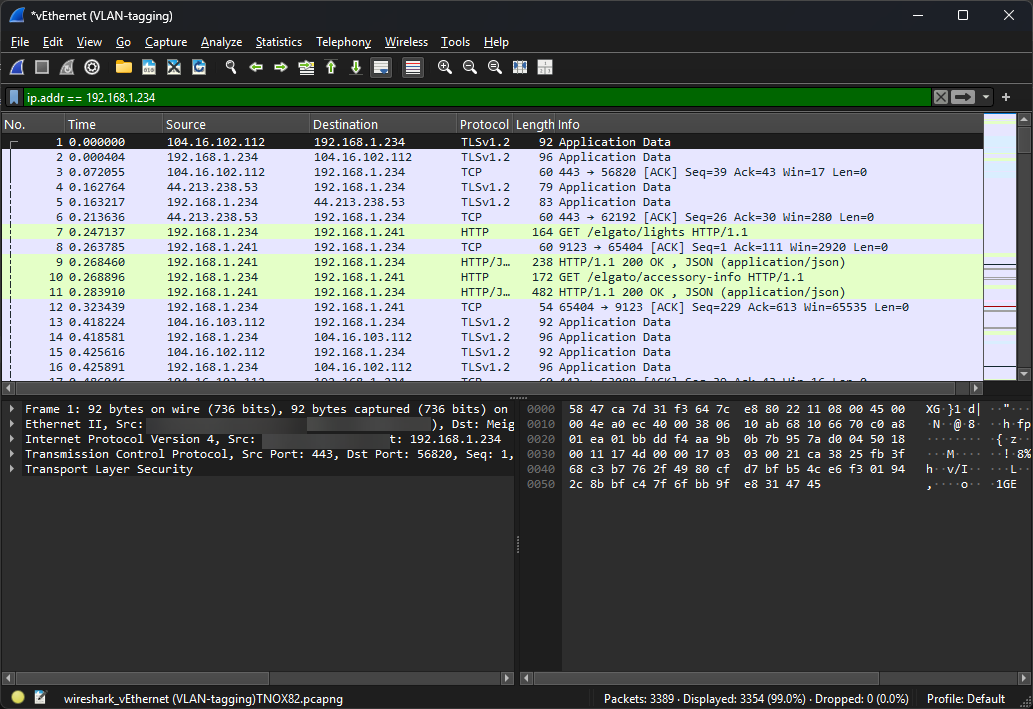
Wireshark stands as the gold standard for packet analysis. This powerful network protocol analyzer captures and interactively browses the traffic running on a computer network. When you need to dive deep into network problems, Wireshark provides unparalleled visibility into what’s happening at the packet level.
I’ve found Wireshark indispensable when troubleshooting complex network issues that other tools can’t identify. The software’s deep packet inspection capabilities allow you to examine hundreds of protocols, making it perfect for security analysis, network troubleshooting, and protocol development. While it has a steeper learning curve than some other tools, its power and flexibility make it worth the effort.
Key Features:
- Deep packet inspection of hundreds of protocols
- Live capture and offline analysis
- Advanced filtering capabilities
- Multi-platform support (Windows, macOS, Linux)
- VoIP analysis
- Decryption support for many protocols
Pros:
- Completely free and open-source
- Extremely powerful and comprehensive
- Regular updates with new protocol support
- Large community for support
- Extensive documentation available
Cons:
- Steep learning curve for beginners
- Can be overwhelming with too much data
- Requires networking knowledge to use effectively
- Resource-intensive on large captures
Best For: Network professionals, security analysts, and IT administrators who need detailed packet-level analysis for troubleshooting, security auditing, or network optimization. It’s also valuable for students learning about network protocols.
3. NetSpot
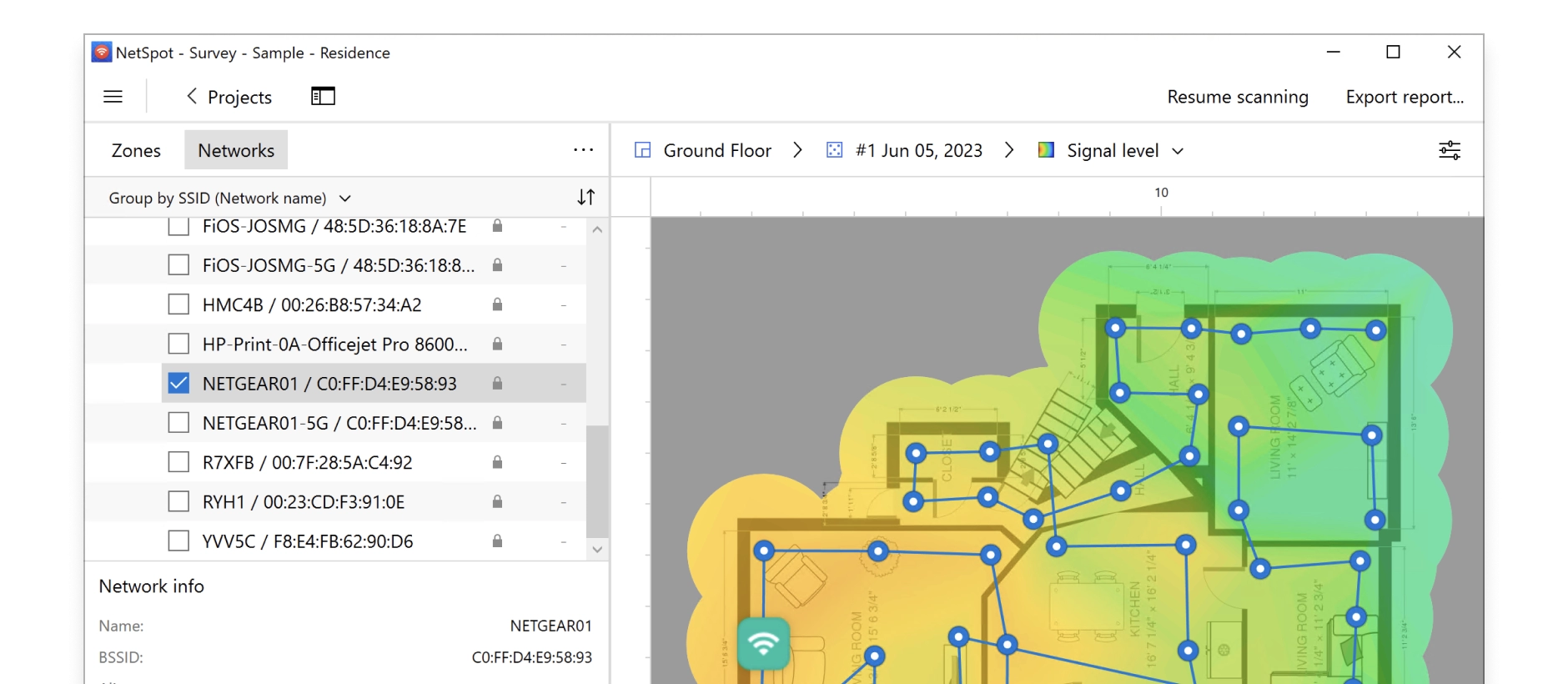
NetSpot has evolved into one of the most user-friendly yet powerful Wi-Fi analyzers. This wireless network tool excels at creating visual heatmaps of your Wi-Fi coverage, helping you identify dead zones and areas with poor signal strength. I particularly appreciate how NetSpot combines professional-grade features with an intuitive interface that doesn’t intimidate beginners.
When conducting Wi-Fi site surveys, NetSpot’s ability to visualize signal strength throughout a building is invaluable. The software uses advanced signal propagation algorithms to generate accurate heatmaps, making it easier to plan access point placement and optimize channel selection. Whether you’re setting up a home network or managing a large enterprise deployment, NetSpot provides the insights needed for optimal performance.
Key Features:
- Wi-Fi heatmap generation
- Signal strength visualization
- Channel interference analysis
- Access point discovery and mapping
- Network speed testing
- Multiple survey modes (Discover and Survey)
Pros:
- Intuitive user interface
- Excellent visualization capabilities
- Available for multiple platforms
- Free version offers substantial functionality
- Great for both beginners and professionals
Cons:
- Some advanced features require paid version
- Mobile version has limited functionality
- Large surveys can be time-consuming
Best For: Home users, small business owners, and IT professionals who need to visualize Wi-Fi coverage and optimize access point placement. It’s particularly useful for those who prefer graphical representations over raw data.
4. Acrylic Wi-Fi Suite

Acrylic Wi-Fi Suite has established itself as a professional-grade Wi-Fi analysis tool, offering comprehensive network scanning and analysis capabilities. The software excels at identifying Wi-Fi networks, analyzing signal quality, and detecting security vulnerabilities. I’ve found its real-time monitoring capabilities particularly useful for tracking network performance over time.
What sets Acrylic Wi-Fi apart is its ability to provide detailed information about each detected network, including signal strength, security protocols, and hardware vendor data. The software’s advanced traffic analysis features help identify bandwidth consumption patterns and potential security threats. For network administrators who need enterprise-level analysis without the enterprise price tag, Acrylic Wi-Fi delivers exceptional value.
Key Features:
- Real-time Wi-Fi network analysis
- Detailed network information display
- Traffic monitoring and analysis
- Security vulnerability detection
- GPS integration for location-based surveys
- Comprehensive reporting capabilities
Pros:
- Professional-grade features in free version
- Excellent data visualization
- Comprehensive network information
- Regular updates with new features
- Good for both beginners and experts
Cons:
- Some advanced features require paid version
- Can be resource-intensive
- Steeper learning curve than some alternatives
Best For: Network administrators, security professionals, and IT consultants who need detailed Wi-Fi analysis capabilities for troubleshooting, security auditing, and network optimization.
5. WiFi Analyzer (Android App)
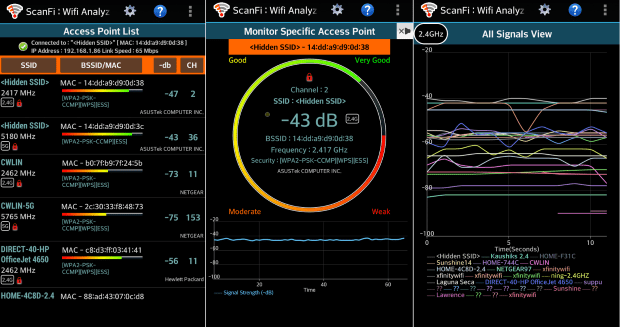
The WiFi Analyzer Android app has become one of the most popular mobile tools for Wi-Fi analysis. This lightweight yet powerful application turns your Android device into a portable Wi-Fi analysis tool, perfect for on-the-go network troubleshooting. I’ve found it invaluable when setting up networks in new locations or troubleshooting connectivity issues while away from my computer.
What makes this app stand out is its simplicity and effectiveness. The channel rating feature helps you quickly identify the least congested channels for your network, while the signal meter provides real-time feedback on signal strength. The app’s graph views make it easy to visualize network overlap and interference, helping you make informed decisions about channel selection and access point placement.
Key Features:
- Real-time Wi-Fi network scanning
- Channel analysis and recommendations
- Signal strength visualization
- Channel graph views
- Network rating system
- Filter options for focused analysis
Pros:
- Completely free with no ads
- Simple and intuitive interface
- Lightweight and fast
- Excellent for quick analysis
- Regular updates with new features
Cons:
- Android-only (no iOS version)
- Limited advanced features
- Smaller screen can limit data visualization
Best For: Home users, IT professionals, and anyone who needs a quick, portable Wi-Fi analysis tool. It’s perfect for on-site troubleshooting and basic network optimization tasks.
6. OpenSignal

OpenSignal has evolved into a comprehensive network analysis tool, offering both Wi-Fi and cellular network monitoring capabilities. This unique combination makes it particularly valuable for users who need to analyze and optimize both types of connectivity. I’ve found the crowd-sourced data especially useful for understanding network performance in different areas.
The app’s speed testing features provide detailed insights into network performance, while the coverage maps help identify areas with strong or weak signals. OpenSignal’s ability to track both Wi-Fi and cellular networks makes it ideal for users who rely on both types of connectivity and want to ensure they’re always getting the best possible performance.
Key Features:
- Dual Wi-Fi and cellular network analysis
- Speed testing capabilities
- Coverage mapping
- Network performance tracking
- Historical data analysis
- Crowd-sourced network data
Pros:
- Free and comprehensive
- Unique dual-network analysis
- Crowd-sourced data for broader insights
- User-friendly interface
- Available for both Android and iOS
Cons:
- Requires data connection for some features
- Less detailed than dedicated Wi-Fi tools
- Privacy concerns with data sharing
Best For: Users who need to analyze both Wi-Fi and cellular networks, travelers who want to check network quality in different areas, and those who prefer crowd-sourced data for network performance insights.
7. Kismet
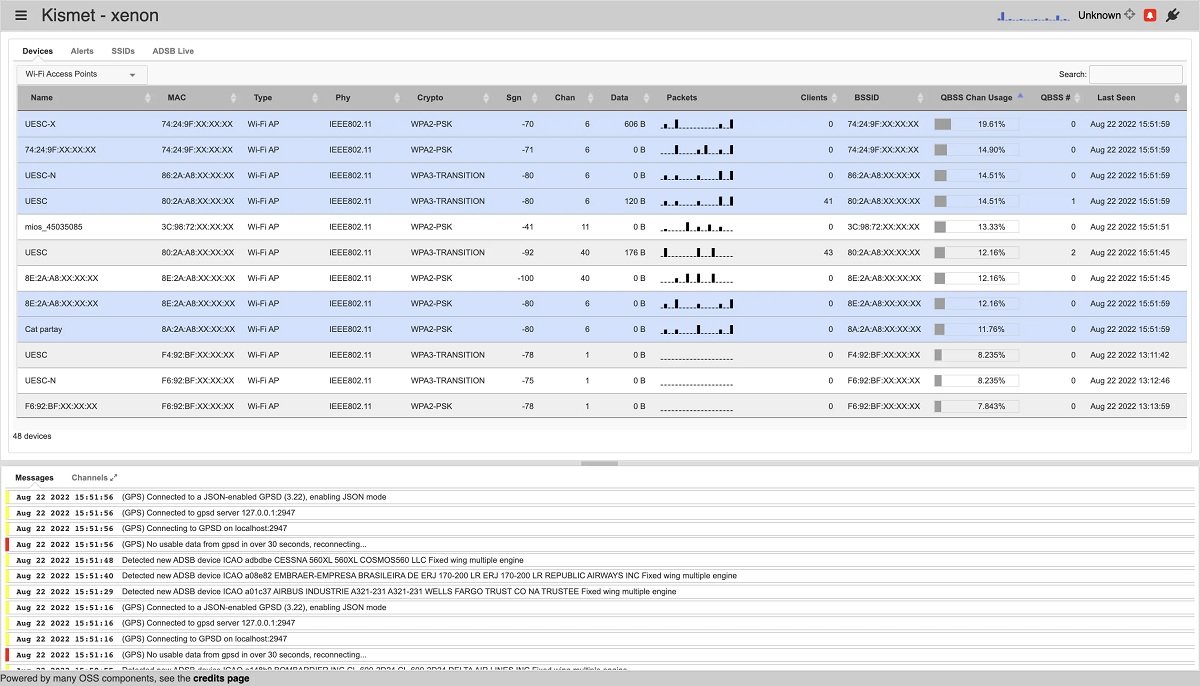
Kismet remains one of the most powerful wireless network detection and analysis tools in. This open-source tool specializes in passive network scanning, making it virtually undetectable while monitoring wireless networks. I’ve found Kismet particularly valuable for security audits and detecting hidden or rogue access points that might not be visible to other tools.
What sets Kismet apart is its ability to detect networks without actively probing them, making it ideal for security-sensitive environments. The tool supports multiple wireless cards and can monitor various wireless protocols beyond just Wi-Fi, including Bluetooth and other wireless technologies. Its web-based interface provides real-time visualization of detected networks and devices.
Key Features:
- Passive network scanning
- Hidden network detection
- Multi-protocol support (Wi-Fi, Bluetooth, etc.)
- Real-time visualization
- Multi-card support
- Web-based interface
Pros:
- Completely free and open-source
- Powerful passive scanning capabilities
- Detects hidden networks
- Multi-protocol support
- Highly customizable
Cons:
- Steep learning curve
- Primarily Linux-based (Windows support limited)
- Command-line interface can be intimidating
- Requires technical expertise
Best For: Security professionals, network administrators, and advanced users who need powerful wireless network detection and analysis capabilities, particularly for security audits and detecting unauthorized networks.
8. ZamZom Wireless Network Tool
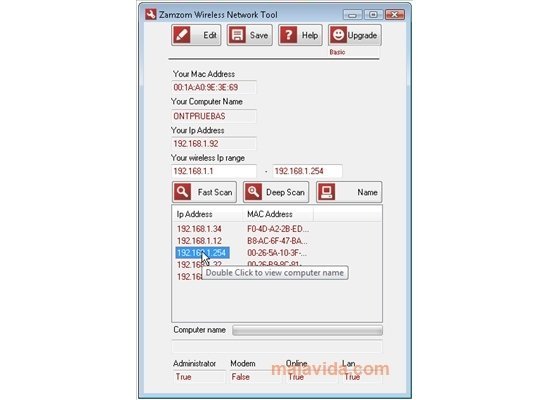
ZamZom Wireless Network Tool continues to be a straightforward solution for detecting unauthorized devices on your wireless network in. While simpler than some other tools on this list, its focused approach to network security makes it valuable for users primarily concerned with who’s connecting to their network. I’ve found it particularly useful for quickly identifying unfamiliar devices that might be using my bandwidth without permission.
The tool’s two scanning modes—Quick Scan and Deep Scan—provide flexibility depending on how thorough you need to be. The Quick Scan is perfect for routine checks, while the Deep Scan provides more detailed information about connected devices. For home users and small businesses looking for a simple security solution, ZamZom offers an easy-to-use option.
Key Features:
- Quick and Deep scanning modes
- Unauthorized device detection
- Simple user interface
- Network device listing
- Real-time monitoring
Pros:
- Extremely easy to use
- Lightweight and fast
- Focused on security
- Free to use
- Low system requirements
Cons:
- Limited advanced features
- Basic interface
- No detailed network analysis
- Windows-only
Best For: Home users and small business owners who want a simple tool to monitor their network for unauthorized devices without dealing with complex features or technical details.
9. Wireless Wizard
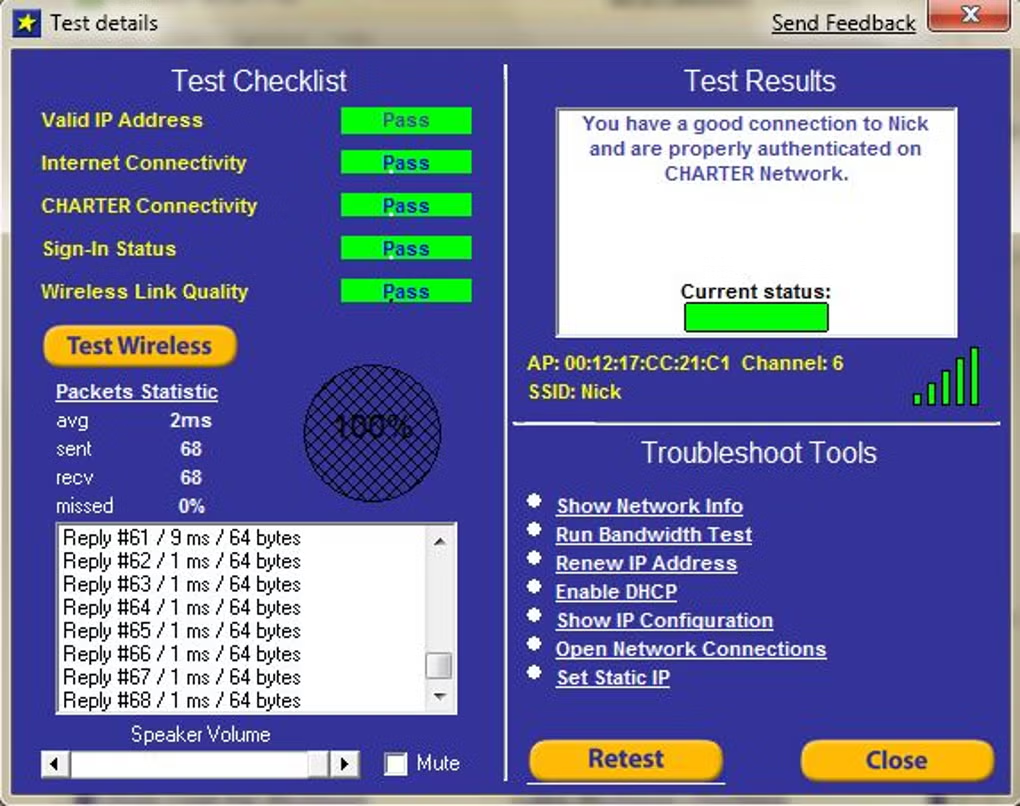
Wireless Wizard remains a reliable diagnostic and optimization tool for wireless networks. This software focuses on helping users achieve the best possible performance from their wireless connections through comprehensive analysis and optimization recommendations. I’ve found its diagnostic tests particularly valuable when trying to pinpoint the cause of connectivity issues.
What makes Wireless Wizard stand out is its combination of analysis features with practical optimization recommendations. The software doesn’t just identify problems—it suggests solutions. Its spectrum analyzer helps identify the best channels for your network, while the continuous graphing feature allows you to track network performance over time and identify patterns or recurring issues.
Key Features:
- Network performance analysis
- Diagnostic testing capabilities
- Spectrum analyzer for channel optimization
- Continuous performance graphing
- Interference detection
- Optimization recommendations
Pros:
- Comprehensive diagnostic features
- Practical optimization suggestions
- User-friendly interface
- Good for beginners
- Free to use
Cons:
- Outdated interface design
- Limited advanced features
- No longer actively developed
- Windows-only
Best For: Home users and small business owners who want a straightforward tool for diagnosing wireless network problems and receiving practical optimization recommendations.
10. CommView for WiFi
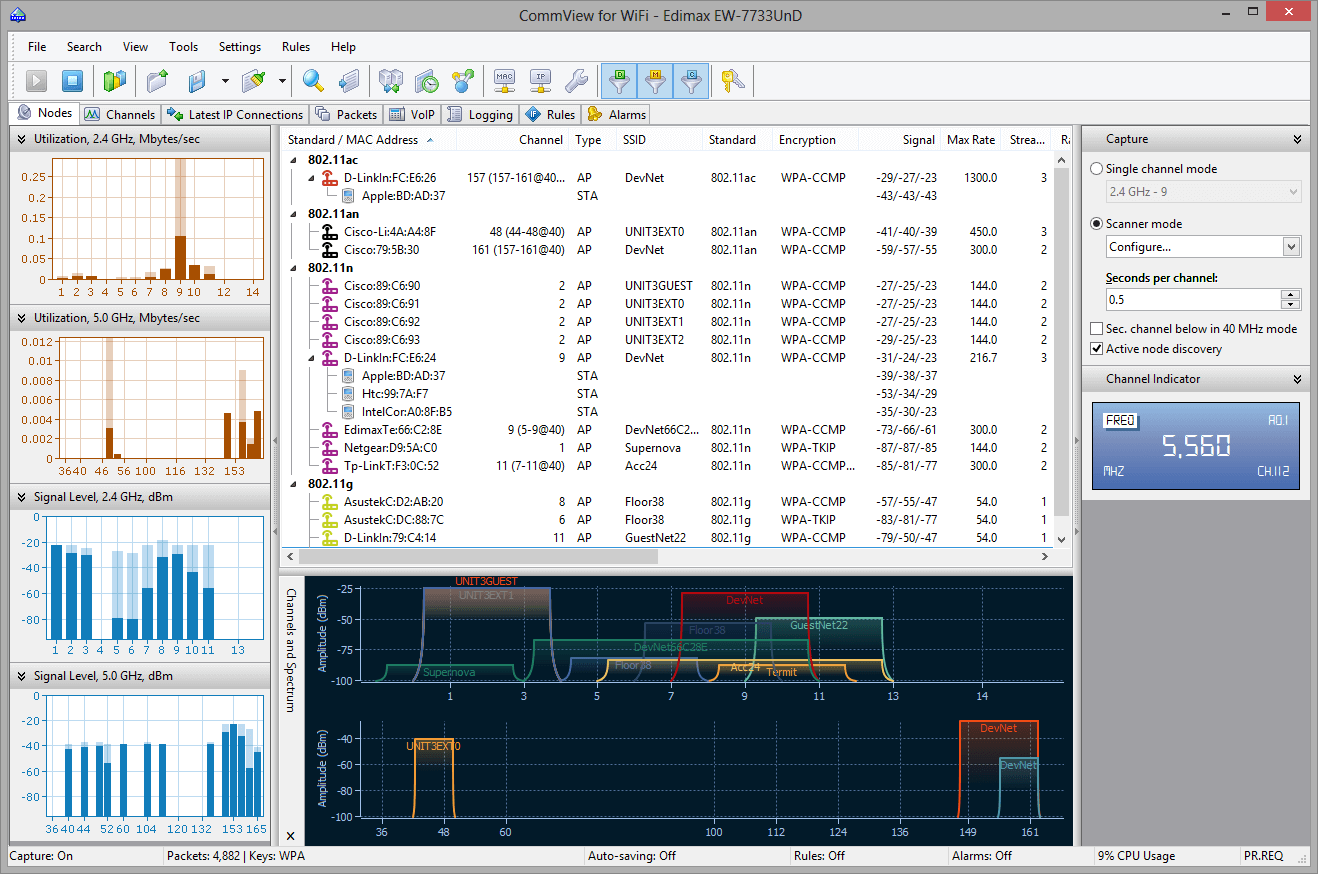
CommView for WiFi continues to be a powerful packet sniffer and network analyzer specifically designed for wireless networks. This tool excels at capturing and analyzing wireless network traffic, making it invaluable for network troubleshooting, security analysis, and protocol development. I’ve found its packet capture capabilities particularly useful when investigating complex network issues that require deep analysis.
The software’s ability to capture packets and search for specific strings, packet types, or protocols makes it highly effective for targeted analysis. Its alarm feature can alert you when certain types of traffic are detected, adding an extra layer of security monitoring. For network administrators who need detailed visibility into wireless network traffic, CommView provides comprehensive analysis capabilities.
Key Features:
- Wireless packet capture and analysis
- Advanced filtering and search capabilities
- Protocol decoding
- Traffic analysis and reporting
- Alarm system for specific traffic types
- Real-time monitoring
Pros:
- Powerful packet analysis capabilities
- Advanced filtering options
- Comprehensive protocol support
- Good security features
- Detailed reporting
Cons:
- Steep learning curve
- Resource-intensive
- Limited functionality in free version
- Windows-only
Best For: Network administrators, security professionals, and IT consultants who need detailed packet-level analysis of wireless networks for troubleshooting, security auditing, or protocol development.
How to Choose the Right Wireless Networking Tool for Your Needs
With so many excellent free wireless networking tools, choosing the right one depends on your specific needs and technical expertise. If you’re a home user looking to optimize your Wi-Fi signal, tools like NetSpot or the WiFi Analyzer Android app offer user-friendly interfaces with powerful visualization capabilities.
For network administrators and IT professionals who need detailed analysis, tools like Wireshark, Kismet, and Acrylic Wi-Fi Suite provide comprehensive features for deep network analysis and troubleshooting.
If you’re primarily concerned about network security, tools like ZamZom Wireless Network Tool and CommView for WiFi offer focused capabilities for detecting unauthorized devices and monitoring network traffic.
Conclusion
Managing and maintaining a Wi-Fi network can be challenging, especially in areas with numerous other wireless networks. However, with the right tools, you can optimize your Wi-Fi performance, detect and troubleshoot issues, and ensure a secure and reliable connection. In this updated guide, we’ve explored ten of the best free wireless networking tools, each offering unique features and capabilities.
From user-friendly mobile apps like WiFi Analyzer to powerful professional tools like Wireshark and Kismet, there’s a solution for every need and skill level. Whether you’re a home user looking to improve your Wi-Fi signal or a network administrator managing complex wireless deployments, these tools provide the insights and capabilities needed to optimize your wireless network performance.
Remember that the best approach often involves using multiple tools in combination, as each offers different strengths and perspectives on your network. By regularly analyzing and monitoring your wireless network with these free tools, you can ensure optimal performance, identify potential issues before they become problems, and maintain a secure and reliable wireless connection.
Frequently Asked Questions (FAQs)
What are wireless networking tools?
Wireless networking tools are software applications that help you manage, analyze, and troubleshoot wireless networks. They provide insights into network performance, signal strength, channel interference, and security issues, helping you optimize your Wi-Fi experience.
Why do I need wireless networking tools?
Wireless networking tools help you optimize your Wi-Fi performance, detect and troubleshoot issues, identify unauthorized devices on your network, and ensure a secure and reliable connection. They’re essential for maintaining healthy wireless networks in both home and business environments.
Are these tools really free?
Yes, all the tools mentioned in this article offer free versions with substantial functionality. Some have paid versions with additional features, but the free versions provide excellent capabilities for most users’ needs.
Can I use these tools to hack into other wireless networks?
No, these tools are designed to help you manage and troubleshoot your own wireless network, not to hack into other networks. Using them to access networks without permission is illegal and unethical.
Can I use these tools to detect rogue access points?
Yes, several tools mentioned in this article, including Kismet, inSSIDer, and CommView for WiFi, can help you detect rogue access points that might be security threats to your network.
Can I use these tools to optimize my Wi-Fi performance?
Absolutely! Tools like NetSpot, Acrylic Wi-Fi Suite, and WiFi Analyzer provide channel analysis, signal strength visualization, and optimization recommendations to help you get the best possible performance from your wireless network.
Are these tools compatible with all operating systems?
Compatibility varies by tool. While some tools like Wireshark and Kismet are cross-platform, others are limited to specific operating systems. Be sure to check the system requirements before downloading and using any of these tools.
Do I need technical expertise to use these tools?
The level of technical expertise required varies by tool. User-friendly options like NetSpot and WiFi Analyzer are suitable for beginners, while advanced tools like Wireshark and Kismet require more networking knowledge to use effectively.
How often should I analyze my wireless network?
For home users, analyzing your network every few months or when you experience connectivity issues is usually sufficient. Business environments may benefit from more frequent analysis, especially when adding new devices or experiencing network changes.
Can these tools help with Wi-Fi security?
Yes, many of these tools include security features that can help identify unauthorized devices, detect security vulnerabilities, and monitor network traffic for suspicious activity. Tools like ZamZom Wireless Network Tool and CommView for WiFi are particularly focused on network security.
For more information on network programming and related topics, check out our article on how Python is used in network programming. If you’re interested in network security, you might also find our article on why cybersecurity is important helpful.
You May Also Like
 Best Software
Top 10 Free & Open Source Inventory Management Software in 2026
 Best Software
10 Best Inventory Control Software for Small Business in 2026
 Best Software
12 Best AI Chatbot Software To Increase Your Conversions In 2026
 Best Software
23 Best Free Avatar Creator Sites Online To Create Your Own Avatars
 SaaS
SaaS11 Best VoIP Call Center Solutions for Small Business 2026 (Comparison Guide)
 Best Software
6 Best Software to Record Mouse and Keyboard Actions and Automate Repetitive Tasks
 Best Software
Jira vs Hive: Which Project Management Tool is Right for Your Team?
 Best Software
8 Best Free Registry Cleaners Tools to Clean Junk and Registry on Windows PC
 Best Software