Medusa Ransomware is a dangerous type of computer virus that locks up your files and demands money to unlock them. This harmful software first appeared in 2021 and has attacked over 300 organizations worldwide, causing millions of dollars in damage. The people behind Medusa not only lock your files but also steal your private information and threaten to release it publicly if you don’t pay them.
Understanding how Medusa works is important for anyone who uses a computer, especially at work or school. This ransomware has become much more common recently, with a 42% increase in attacks from 2023 to 2024. The attackers ask for huge amounts of money, usually between $100,000 and $15 million, to give you back access to your files. This guide will explain everything you need to know about Medusa Ransomware in simple terms, including how it works, who it targets, and most importantly, how you can protect yourself.
What Is Medusa Ransomware?
Medusa Ransomware is a harmful computer program that takes your files hostage. When it infects your computer, it scrambles all your documents, photos, and other important files so you can’t open them anymore. The program adds “.MEDUSA” to the end of each locked file and leaves a note on your computer telling you how to pay money to get your files back.
The way Medusa works is like a digital burglar who breaks into your computer, steals your valuables (your files), and then demands ransom money. The program follows a step-by-step process to cause as much damage as possible while avoiding detection. It starts by finding a way into your computer system, then sets up shop so it can stay there even if you restart your computer, and finally begins locking up your files.
What makes Medusa different from other ransomware is that it doesn’t just lock your files—it also copies them and steals your private information. The attackers then threaten to release this stolen information online if you don’t pay them. They even have a website where they post the stolen information of victims who don’t pay, adding public shame to their list of threats.
How Medusa Gets Into Your Computer
Medusa finds ways to break into computer systems through several common methods. Think of these like different doors that burglars might try to open:
- Old software with security holes: Medusa looks for computer programs that haven’t been updated recently. These old programs have weaknesses that Medusa can exploit to break in, similar to how a burglar might find an unlocked window.
- Stolen passwords: The people behind Medusa often buy passwords that have been stolen from other places. They use these passwords to log into computer systems as if they were legitimate users.
- Tricky emails: Sometimes Medusa arrives through emails that look real but contain harmful links or attachments. When someone clicks on these links or opens these attachments, Medusa installs itself on their computer.
Once inside, Medusa gets to work quickly. It uses the computer’s own tools against itself, turning normal system functions into weapons. For example, it might use the computer’s scheduling system to make sure it restarts every time you turn on the computer, or use file management tools to delete backup copies of your files that could help you recover without paying the ransom.
How Medusa Hides and Spreads
Medusa is designed to be sneaky and avoid being caught by security software. It uses several tricks to hide its presence:
- Disabling security programs: Medusa actively tries to turn off or bypass antivirus software and other security programs that might detect and stop it. It’s like a burglar who cuts the phone lines before breaking in.
- Hiding in plain sight: The ransomware uses names that sound like normal computer programs to avoid suspicion. It might call itself something that looks like a legitimate system file so that neither you nor your security software notices it.
- Spreading through networks: Once Medusa infects one computer, it tries to spread to others connected to the same network. It looks for other computers it can reach and tries to infect them too, similar to how a cold spreads through an office.
The most dangerous part of Medusa’s strategy is how it steals your information before locking your files. It quietly copies important documents, customer information, and other sensitive data and sends it to the attackers. This way, even if you have backups of your files and can restore them without paying, the attackers still have your private information and can threaten to release it.

Who Does Medusa Target and Why?
Medusa Ransomware doesn’t discriminate—it attacks all kinds of organizations, from small businesses to large companies, schools, hospitals, and government agencies. The attackers are equal opportunity criminals who will target anyone they think might pay them money. However, they do show some preferences for certain types of organizations that are more likely to pay up quickly.
Favorite targets for Medusa include hospitals, schools, technology companies, factories, law firms, and government offices. These organizations are attractive because they have lots of important information, need their computer systems to work properly to serve people, and often face serious consequences if their private information gets leaked. For example, a hospital can’t afford to have patient records locked up during an emergency, and a school district needs to access student information daily.
Small and medium businesses are particularly vulnerable to Medusa attacks. These businesses often have valuable information but may not have the same level of security as large corporations. They also rely heavily on their computer systems to operate, making them more likely to pay the ransom quickly to get back to business. The attackers know this and specifically target these organizations, asking for smaller amounts that the business might actually be able to pay.
The Real Damage Medusa Causes
Financial impact from a Medusa attack goes far beyond just the ransom demand. Even if you pay the ransom (which experts don’t recommend), you still face many other costs:
- Lost business: While your systems are down, you can’t serve customers or make money. Some businesses have to shut down completely during an attack, losing thousands of dollars for every day they’re offline.
- Recovery costs: Fixing your systems after an attack requires hiring expensive computer security experts, buying new software, and potentially replacing hardware. These costs can add up quickly.
- Higher insurance premiums: After an attack, your cyber insurance costs will likely increase dramatically, if you can get coverage at all.
Reputational damage can be even worse than the financial costs. When Medusa leaks your private information online, customers lose trust in your ability to protect their data. This loss of trust can drive customers away and make it hard to attract new ones. For some businesses, this reputational damage is impossible to recover from, leading to bankruptcy even if they survive the initial attack.
Legal problems often follow Medusa attacks. If customer information gets stolen, you might face lawsuits from people whose data was compromised. Government agencies might also fine you for not protecting personal information properly. These legal issues can drag on for years after the attack, creating ongoing stress and financial strain.
The Human Cost of Ransomware
Beyond the financial and legal issues, Medusa attacks cause real human suffering. Hospital attacks can delay critical care for patients. School attacks can disrupt education for thousands of students. Government attacks can prevent people from receiving essential services. The people who work at these organizations face incredible stress as they deal with the attack, often working around the clock to restore systems while worrying about their job security.
Personal impact on employees can be severe. When a company suffers a ransomware attack, employees might face:
- Job losses: Some companies can’t recover from the financial damage and have to lay off staff or close completely.
- Increased stress: The pressure to restore systems while dealing with angry customers and concerned management creates an extremely stressful work environment.
- Personal information at risk: Employees’ own private information, including social security numbers and bank details, might be stolen in the attack, putting them at risk of identity theft.
Community impact is another often-overlooked consequence. When local hospitals, schools, or government agencies get attacked, entire communities suffer. People can’t get the services they rely on, and trust in these important institutions is damaged. The ripple effects of a single Medusa attack can be felt throughout a community for months or even years.
How to Protect Yourself from Medusa Ransomware
Protecting your computer systems from Medusa Ransomware isn’t just about installing antivirus software. It requires a comprehensive approach that includes updating your systems, training your people, and preparing for the possibility of an attack. Think of it like securing your house—you need good locks, but you also need alarm systems, good habits, and a plan for what to do if someone breaks in anyway.
Keeping your software updated is one of the most important defenses against Medusa. The ransomware often breaks in through security holes in software that haven’t been updated. When software companies discover these security problems, they release updates to fix them. By installing these updates promptly, you close the doors that Medusa tries to use to break in. This includes updating your operating system, web browsers, email programs, and any other software you use.
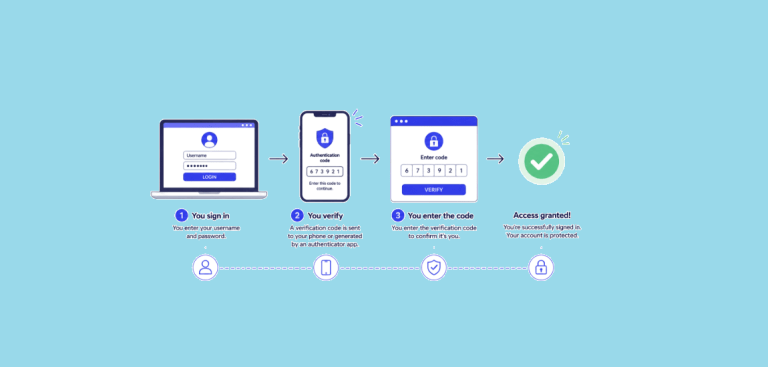
Strong passwords and extra security can prevent Medusa from using stolen passwords to break into your systems. Use long, complex passwords that are hard to guess, and never use the same password for multiple accounts. Even better, use two-factor authentication whenever possible. This means you need both your password and something else—like a code sent to your phone—to log in. Even if attackers steal your password, they still can’t get in without the second factor.
Network Security Strategies
Dividing your computer network into separate sections can help contain a Medusa attack. Think of it like having fire doors in a building—if one section catches fire, the fire doors prevent it from spreading to other sections. By dividing your network so that different departments or functions have limited access to each other, you can prevent Medusa from spreading through your entire system even if it infects one part.
Limiting who has access to what information is another important strategy. Not every employee needs access to all company information. By giving people access only to the information they need for their jobs, you reduce the amount of data that can be stolen or encrypted in an attack. This is called the “principle of least privilege,” and it’s a fundamental security practice that can greatly reduce the damage of a ransomware attack.
Watching for unusual activity on your network can help you spot a Medusa attack before it causes too much damage. Security software can alert you when someone is trying to access large amounts of data, when files are being encrypted in bulk, or when someone is logging in from unusual locations or at odd times. These early warning signs give you a chance to stop the attack before it completes.
Email and Internet Safety
Training your employees to recognize dangerous emails and websites is one of your best defenses against Medusa. Many attacks start with someone clicking on a harmful link or opening a bad email attachment. Regular training can help your team spot these threats and avoid falling for them. Good training should include:
- How to spot fake emails: Look for misspellings, urgent language, requests for personal information, and unexpected attachments.
- What to do with suspicious messages: Employees should know not to click on anything suspicious and how to report these messages to your IT team.
- Regular practice: Send fake phishing emails to your team to test their awareness and provide additional training to those who need it.
Filtering your email can catch many dangerous messages before they reach your employees. Good email security systems can block known harmful attachments, detect links to malicious websites, and identify messages that look like phishing attempts. While no system is perfect, good email filtering can significantly reduce the number of threats that make it to your employees’ inboxes.
Safe internet browsing habits can also prevent Medusa infections. Block access to known dangerous websites, and teach employees to be careful about what they download from the internet. Software that restricts what programs can be installed on company computers can also prevent employees from accidentally downloading harmful programs.
Backup and Recovery Planning
Making regular backups of your important files is perhaps the most effective defense against Medusa Ransomware. If you have good backups, you can restore your files without paying the ransom. However, not all backups are created equal. Good backup practices include:
- The 3-2-1 rule: Keep three copies of your data, on two different types of storage, with one copy stored off-site and disconnected from your network.
- Regular testing: Make sure your backups actually work by testing them regularly. Many organizations discover too late that their backups are incomplete or corrupted.
- Automation: Set up automatic backups so they happen consistently without relying on people to remember to do them.
Planning for recovery before an attack happens is crucial. Know exactly what steps you’ll take if Medusa strikes, who will be responsible for what tasks, and in what order you’ll restore systems. This plan should be documented and practiced regularly so that everyone knows their role when an attack occurs.
Having the right tools for recovery can make the process much faster and less painful. This includes having clean installation media for your operating systems and software, documentation of your network configuration, and relationships with cybersecurity experts who can help you recover if needed.
What to Do If Medusa Attacks You
Discovering you’ve been attacked by Medusa Ransomware is a scary and stressful experience. The first few hours after discovery are critical for minimizing damage and starting the recovery process. Knowing what to do ahead of time can help you stay calm and take the right steps to protect your organization.
Immediate isolation of infected computers is the first and most important step. As soon as you suspect a Medusa attack, disconnect affected computers from your network and from the internet. This prevents the ransomware from spreading to other computers and stops it from sending more of your data to the attackers. Physically unplug network cables and turn off Wi-Fi on infected machines. Time is critical here—every minute counts when it comes to containing the attack.
Document everything about the attack from the very beginning. Write down when you discovered the attack, which computers are affected, what the ransom note says, and any other details you notice. Take pictures of screens and save copies of any messages from the attackers. This documentation will be valuable for law enforcement, insurance claims, and your own recovery efforts. It’s easy to forget details in the chaos of an attack, so write everything down while it’s fresh in your mind.
Getting Help and Reporting the Attack
Contacting law enforcement should be one of your first steps after containing the attack. Call your local FBI field office and report the incident to the Cybersecurity and Infrastructure Security Agency (CISA). While they might not be able to help you recover your files immediately, reporting the attack helps them track ransomware groups and may lead to future arrests. They can also provide valuable guidance and connect you with resources for recovery.
Calling your insurance company is important if you have cyber insurance. Most policies require you to report incidents promptly, and they may have specific requirements for how you handle the attack. Your insurance company can also connect you with expert help, including forensic investigators, lawyers, and ransomware negotiators if you decide to go that route.
Hiring cybersecurity experts who specialize in ransomware response can make a huge difference in your recovery. These professionals have experience dealing with Medusa and other ransomware attacks and can help you understand your options, contain the damage, and restore your systems safely. Look for firms with specific experience in ransomware response, not just general IT support.
Making Decisions About Ransom Payment
Deciding whether to pay the ransom is one of the most difficult choices you’ll face during a Medusa attack. Law enforcement and security experts generally recommend against paying, but each organization must make this decision based on their specific circumstances. Consider these factors:
- No guarantee of recovery: Paying doesn’t guarantee you’ll get your files back. Some victims pay and never receive decryption keys.
- Funding criminal activity: Paying ransoms encourages more attacks and funds other illegal activities.
- Legal issues: Paying ransoms to certain groups may violate sanctions laws, potentially creating legal problems for your organization.
Understanding your options beyond paying the ransom is important. If you have good backups, you can restore your files without paying. Even if your backups aren’t perfect, you might be able to recover some critical files and rebuild the rest. In some cases, security researchers develop decryption tools that can unlock files without paying, though this is rare for sophisticated ransomware like Medusa.
Negotiating with attackers is sometimes an option if you decide to pay. Professional ransomware negotiators can often reduce the demanded amount and verify that the attackers actually have the ability to decrypt your files. These negotiators understand how ransomware groups operate and can help navigate the process while minimizing additional risks. However, this approach still involves paying criminals and should be considered carefully.
Recovering and Learning from the Attack
Restoring from backups is the preferred method for recovering from a Medusa attack if you have good backups available. This process should be done carefully to ensure you don’t reintroduce the ransomware into your clean systems. Start by restoring your most critical systems first, then work your way down to less important ones. Make sure all restored systems are fully updated and secured before reconnecting them to your network.
Investigating the attack after you’ve recovered can help you understand how the attackers got in and prevent similar attacks in the future. This investigation should look at security logs, examine affected systems, and analyze any malware samples you can capture. The goal is to identify the vulnerabilities that allowed the attack and address them before they can be exploited again.
Improving your security posture based on lessons learned from the attack is crucial for preventing future incidents. This might include implementing stronger security controls, providing additional employee training, updating your incident response plan, or investing in better security tools. Treat the attack as a learning opportunity that can make your organization more resilient against future threats.
The Future of Ransomware and How to Stay Ahead
The evolution of Medusa Ransomware shows no signs of slowing down. The people behind it continue to improve their methods, find new ways to break into systems, and develop more effective extortion techniques. Since it first appeared, Medusa has grown from a small operation to a large network of attackers working together, making it even more dangerous and difficult to stop.
New attack methods are constantly being developed by ransomware groups. As organizations get better at defending against current attack methods, the criminals adapt and find new approaches. Some emerging trends include attacks on cloud services, targeting of mobile devices, and exploitation of smart home and office devices. The attackers are also getting better at targeting specific industries with customized attacks that take advantage of their unique vulnerabilities and pressures.
Artificial intelligence is likely to play an increasing role in future ransomware attacks. Criminals could use AI to create more convincing fake emails, to automatically discover vulnerabilities in systems, or to develop ransomware that can adapt to avoid detection. At the same time, defenders are also using AI to better detect and respond to attacks, creating a technological arms race between attackers and defenders.
Industry-Specific Threats on the Horizon
Healthcare attacks are expected to increase as medical devices become more connected and hospitals rely more heavily on digital systems. Medusa attackers are developing specialized knowledge of healthcare systems and medical devices to create more effective attacks against hospitals and clinics. These attacks are particularly dangerous because they can directly impact patient care and safety.
School and university attacks will likely continue as educational institutions store increasing amounts of sensitive student data and rely on digital systems for learning. Ransomware groups know that schools often have limited security resources and face tremendous pressure to restore systems quickly, making them attractive targets. The shift to remote learning has also created new vulnerabilities that attackers are quick to exploit.
Manufacturing and industrial attacks represent a growing threat as factories become more automated and connected. Medusa attackers are beginning to target industrial control systems that operate machinery and production lines. These attacks can cause physical damage to equipment, disrupt supply chains, and create safety hazards in addition to the usual data theft and encryption.
Staying Ahead of Emerging Threats
Continuous learning is essential for staying ahead of ransomware threats like Medusa. Security is not a one-time project but an ongoing process that requires staying informed about new threats, understanding how they work, and adapting your defenses accordingly. This means reading security news, attending training sessions, and participating in information-sharing groups with other organizations in your industry.
Investing in good security tools can help protect against both current and future threats. Look for security solutions that use advanced techniques like artificial intelligence and behavioral analysis to detect new types of attacks that haven’t been seen before. Cloud-based security services can also provide better protection by leveraging threat intelligence from many organizations.
Building a security culture in your organization is perhaps the best long-term defense against ransomware. When everyone understands the importance of security and knows their role in maintaining it, your organization becomes much more resilient. This means regular training, clear security policies, and leadership that demonstrates a commitment to security through both words and actions.
Frequently Asked Questions About Medusa Ransomware
Can I get my files back without paying the ransom?
No, currently there’s no free way to decrypt files locked by Medusa Ransomware. The encryption is very strong and requires a special key that only the attackers have. Security experts are working on decryption tools, but none exist yet. Your best option is to restore files from backups if you have them.
Should I pay the ransom if I get attacked?
No, most security experts and law enforcement say you shouldn’t pay ransoms. Paying doesn’t guarantee you’ll get your files back, and it encourages more attacks. Some payments might even be illegal if they go to groups under sanctions. However, each organization must make this difficult decision based on their specific situation.
How long does it take to recover from a Medusa attack?
Yes, recovery time depends on how well prepared you are. Organizations with good backups and recovery plans might be back to normal in a few days. But more serious attacks can take weeks or months to fully recover. The average is about 16 days, but having a solid plan can reduce this time significantly.
Will regular antivirus software stop Medusa?
No, regular antivirus alone isn’t enough to stop Medusa Ransomware. The attackers constantly change their code to avoid detection. You need multiple layers of security including good backups, employee training, updated software, and special security tools that can detect unusual behavior on your network.
Does Medusa only attack big companies?
No, Medusa attacks organizations of all sizes, including small businesses. Small businesses are actually attractive targets because they often have less security but still have valuable data. The attackers adjust their ransom demands based on the size of the organization, so small businesses might face demands of $100,000 to $500,000.
Can Medusa spread by itself between computers?
Yes, once Medusa gets into one computer, it can spread to others on the same network automatically. It uses the network connections to find and infect other computers, which is why it’s so important to divide your network into sections and limit connections between different parts of your organization.
Conclusion: Protecting Yourself from Medusa Ransomware
Medusa Ransomware is a serious threat that continues to grow and evolve. The attackers behind it have become more sophisticated, more organized, and more ruthless in their methods. They don’t just lock your files—they steal your information, threaten to release it publicly, and create enormous pressure for you to pay them. The 42% increase in attacks from 2023 to 2024 shows that this problem is getting worse, not better.
Protecting your organization requires a comprehensive approach that combines technology, processes, and people. Good security isn’t about buying one product or following one checklist—it’s about creating multiple layers of defense that work together to protect your important information. This means keeping your software updated, training your employees to recognize threats, making regular backups, and having a plan for what to do if an attack happens.
The future of ransomware will likely bring even more challenges as attackers find new ways to break into systems and pressure victims into paying. But by staying informed, implementing good security practices, and being prepared to respond quickly to attacks, you can significantly reduce your risk of becoming a victim. Remember that the cost of preventing an attack is always less than the cost of recovering from one.
Building resilience against Medusa and other ransomware threats is an ongoing process that requires commitment from everyone in your organization. From leadership to frontline employees, everyone has a role to play in maintaining security. By making security a priority and following the guidance in this article, you can protect your organization, your data, and your people from the devastating impact of a ransomware attack. Stay vigilant, stay prepared, and stay safe.
You May Also Like
 Cyber Security
Can Ransomware Infect iCloud? What Mac and iPhone Users Need to Know
 Data Security & Privacy
Two-Factor Authentication (2FA): How It Works, Which Method to Use, and How to Stay Safe
 Data Security & Privacy
Is a Password Manager Safe? How to Use One Securely
 WordPress
12 Best Cheap SSL Certificate Providers To Secure Your Website
 Data Security & Privacy
Is Password Protection the Same as Encryption? Differences in Data Security
 Data Security & Privacy
What Is End-to-End Encryption? Your Complete Guide to Secure Communication
 Data Security & Privacy
What Is a Cloud Security Scanner for AWS, Azure, and Google Cloud?
 Cyber Security
Is Temu Legit or a Scam? The Complete Truth You Need to Know
 VPN
VPN