The dark web is a hidden part of the internet. You can access it only with special software like Tor. This requires specific browsers and setups that regular search engines can’t find. Knowing what the dark web is and how it works helps you make smart choices about online privacy. It also helps you see its real uses and potential risks.
Most people think the dark web equals criminal activity, but that’s not the whole story. Sure, illegal stuff happens there, but plenty of legitimate users rely on these hidden networks too. Journalists protecting sources, activists avoiding government surveillance, and regular folks who just want real privacy all use the dark web for valid reasons.
Getting onto the dark web isn’t as simple as typing a URL into Chrome. You need specific tools and knowledge about how these networks operate. This guide breaks down everything you need to know about the dark web, from what it actually is to the safest ways to explore it if you choose to do so.
Understanding the Different Layers of the Internet
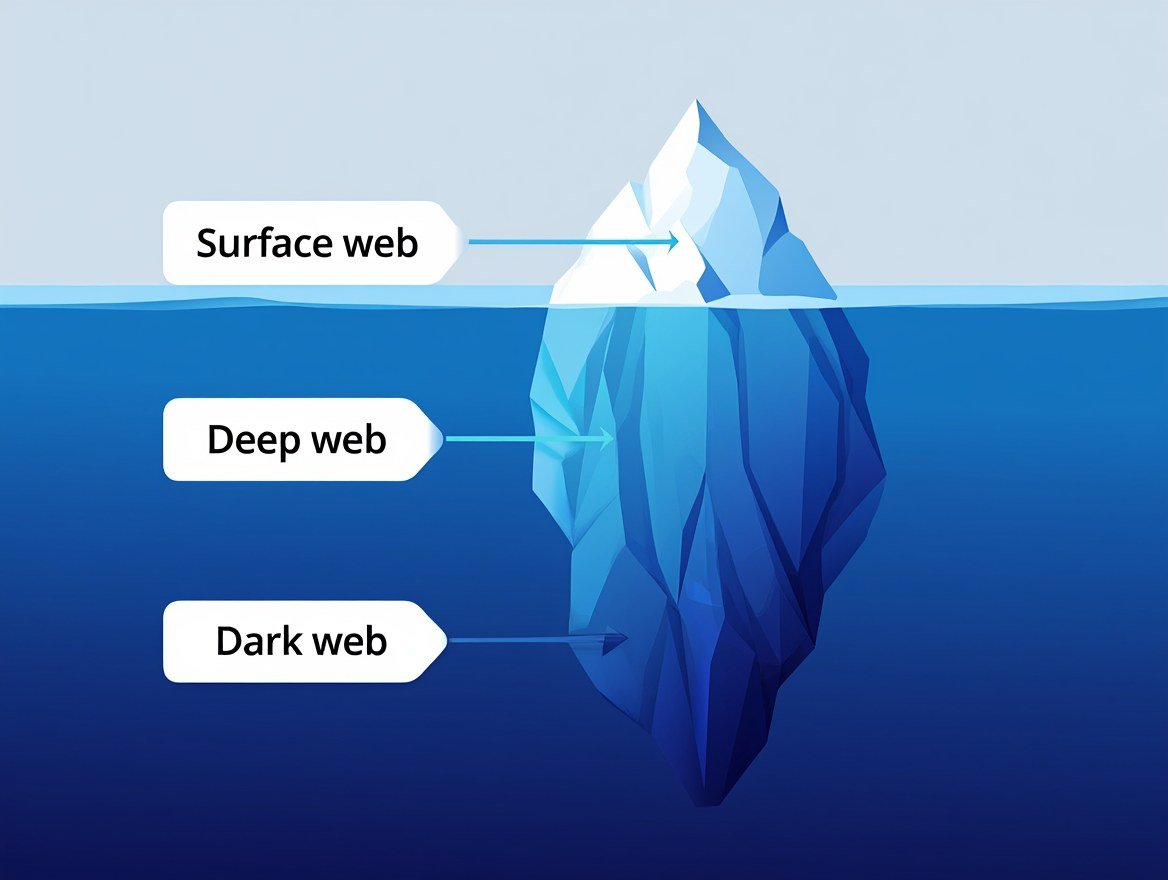
The Surface Web We All Know
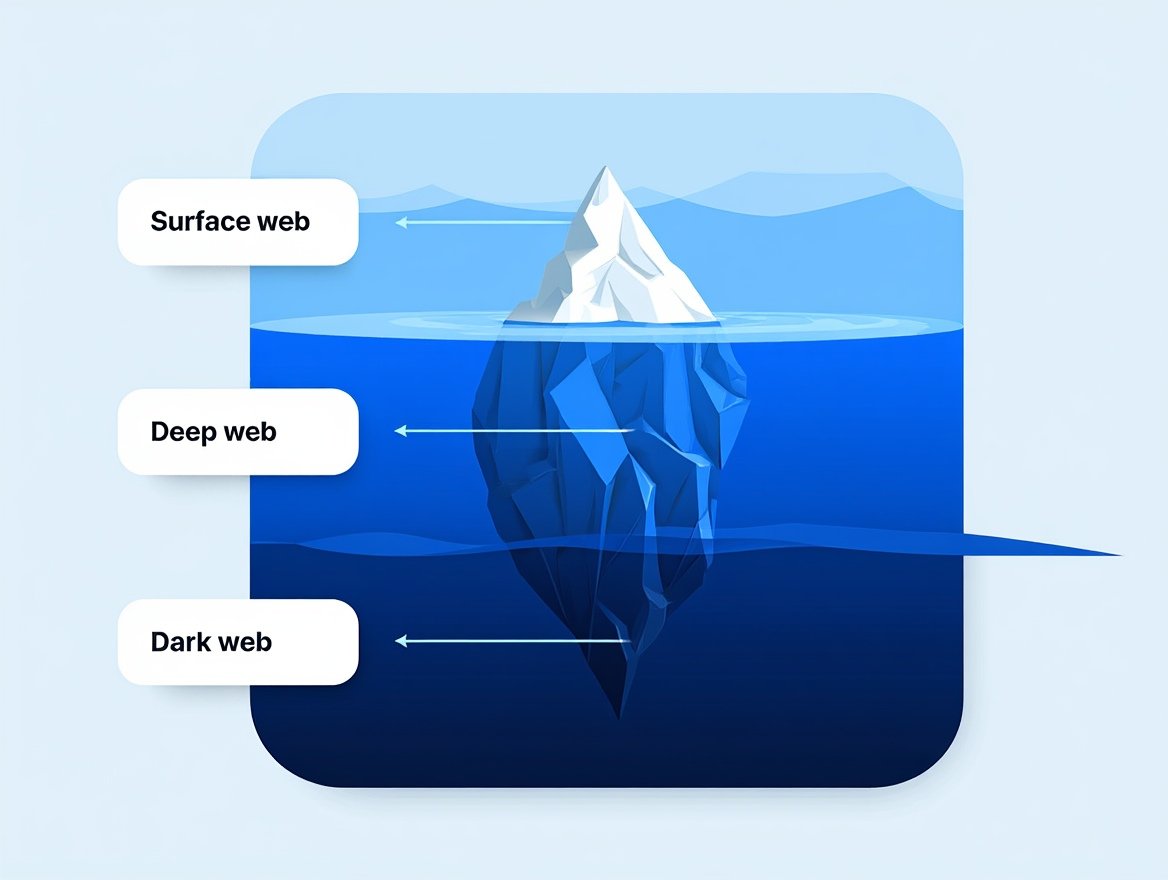
The surface web makes up only about 4% of the entire internet. This includes websites you can find through Google, social media platforms, news sites, and online stores. Every webpage that shows up in search results lives on the surface web. These sites get indexed by search engines and anyone can access them with a regular browser.
Search engines like Google constantly crawl through surface web content, cataloging billions of pages for easy discovery. When you search for information, you’re only seeing this tiny fraction of what’s actually available online. The surface web operates on standard protocols that make it easy for browsers to display content quickly and efficiently.
Most people spend their entire online lives on the surface web without realizing how much more exists beneath it. E-commerce sites, educational resources, entertainment platforms, and social networks all operate in this visible layer of the internet, where cybersecurity measures focus on protecting user data and preventing common attacks.
The Deep Web’s Hidden Content
The deep web contains all the internet content that search engines can’t index or access. This includes password-protected sites, private databases, academic research libraries, medical records, legal documents, and internal company pages. Banking websites, private email accounts, and subscription-based services all exist in the deep web.
Think about your personal email inbox or online banking account. These pages exist on the internet, but they’re not searchable by Google because they require authentication. The deep web protects sensitive information behind login screens and access controls that keep private data secure from unauthorized viewing.
Academic institutions keep large research data in deep web databases. Medical facilities store patient records in secure systems. Only authorized personnel can access these records. Corporate networks hold internal documents and communication systems. Employees access these through company intranets and VPN connections.
Professional services, like legal case management software and research databases, exist only in the deep web. These platforms need subscriptions or institutional access. This limits valuable information to those who pay or have genuine professional needs.
Where the Dark Web Fits In
The dark web is the smallest part of the internet. It can only be accessed through encrypted networks like Tor, I2P, and Freenet. Unlike the deep web, which uses standard internet protocols but has access restrictions, the dark web needs special software to reach its hidden sites.
Dark web sites have .onion addresses instead of regular domain names. This makes them impossible to access with standard browsers. These addresses look like random strings, such as “3g2upl4pq6kufc4m.onion,” rather than user-friendly names like “google.com or you access this site keyanalyzer.com” found on the surface web.
The anonymity of dark web networks attracts users seeking protection from surveillance, censorship, or persecution. Political dissidents in authoritarian countries use these networks to communicate safely with others. Whistleblowers share sensitive information with journalists without risking their identities.
However, the same anonymity that protects legitimate users also allows for criminal activities. Illegal marketplaces, fraud services, and harmful content exist alongside privacy tools and communication platforms on the dark web.
What Makes the Dark Web Different
Anonymity and Encryption Technologies
The dark web runs on networks designed specifically to hide user identities and locations. Tor, the most popular dark web network, routes internet traffic through multiple encrypted layers, making it extremely difficult to trace communications back to their source. This process gets called “onion routing” because data passes through several layers of encryption, like peeling an onion.
Each connection bounces through at least three random servers called nodes before reaching its destination. The first node knows your real IP address but not your final destination. The middle node knows neither your identity nor your destination. The exit node knows your destination but not your real identity, creating a system where no single point knows both ends of the connection.
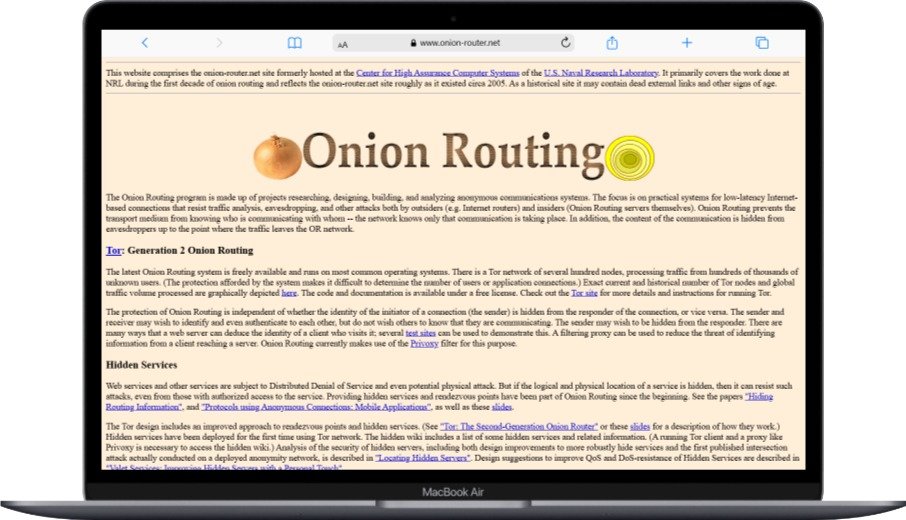
I2P and Freenet use different approaches to achieve similar anonymity goals. I2P creates an internal network where users can only communicate with other I2P users, while Freenet distributes encrypted data across multiple computers, making it nearly impossible to determine who uploaded or downloaded specific content.
These technologies protect users from various forms of surveillance and tracking. Government agencies, internet service providers, and malicious actors can’t easily monitor dark web activities because the encryption and routing methods obscure both the source and content of communications.
Hidden Services and Onion Addresses
Dark web websites operate as hidden services that don’t reveal their physical location or server details. Traditional websites can be traced back to specific servers and IP addresses, but hidden services use the anonymity network to mask their true location completely.
Onion addresses are the dark web’s version of regular URLs. However, they are created cryptographically instead of being registered through the Domain Name System. Website operators generate these addresses using cryptographic keys. This process results in random character strings linked to their hidden service.
These addresses change frequently for security reasons. Many dark web sites rotate their onion addresses periodically to avoid detection and maintain operational security. Users often rely on trusted directories or word-of-mouth to find current addresses for legitimate services they want to access.
The naming system makes dark web browsing challenging for newcomers. Unlike memorable domain names on the surface web, onion addresses are nearly impossible to remember or guess. This design choice prioritizes security and anonymity over user convenience, reflecting the dark web’s focus on privacy protection rather than accessibility.
Network Security and Vulnerabilities
Dark web networks face unique security challenges that don’t exist on the surface web. Exit nodes in the Tor network can potentially monitor unencrypted traffic, creating privacy risks for users who don’t use additional encryption layers. Malicious actors sometimes operate exit nodes specifically to capture sensitive information from unsuspecting users.
Government agencies and cybercriminals sometimes use compromised nodes to gather intelligence on dark web users. These honeypot operations can identify users who lack proper security practices or access illegal content through weak connections.
Network attacks on dark web infrastructure can disrupt services and expose user information. Denial-of-service attacks can make hidden services temporarily inaccessible. More complex attacks may try to track traffic patterns to identify users or operators.
The dark web’s security model offers much better privacy than regular internet browsing. Users who follow security tips and know the risks can achieve high levels of anonymity that are hard to get on the surface web.

Legitimate Uses of the Dark Web
Journalism and Whistleblowing Platforms
Major news organizations use dark web platforms to get sensitive information from protected sources. The New York Times, BBC, and other trusted outlets have .onion versions of their websites. They also offer secure channels for whistleblowers and sources in danger.
SecureDrop, created by the Freedom of the Press Foundation, gives newspapers a safe way to receive anonymous tips and documents. Sources can upload files and talk to journalists without showing their identity or location. This process enables vital investigative reporting that might not happen otherwise.
These platforms have led to important stories about government corruption, corporate wrongdoing, and human rights violations. Whistleblowers can provide proof of misconduct without fear of retaliation. Journalists can also protect their sources, even under legal pressure to disclose identities.
The dark web’s anonymity is crucial for investigative journalism in countries with strict press restrictions. Reporters can talk to sources, explore sensitive topics, and publish stories without risking exposure to government persecution.
Privacy-Focused Communication Tools
Encrypted messaging services on the dark web offer safe communication for those needing privacy. They provide more security than surface web options, protecting users facing serious threats to their safety or freedom.
Anonymous email services let users create accounts without personal details or phone numbers. They often delete messages automatically after a set time and use strong encryption to keep content safe from spying.
Privacy-focused forums and discussion platforms allow users to talk openly about sensitive topics. People can discuss political issues, share personal experiences, or seek help for problems that conventional channels can’t address.
Secure file sharing services on the dark web help activists and dissidents share information without revealing their identities. These platforms allow sharing of documents, images, and videos that might be censored on mainstream sites.
Circumventing Censorship and Surveillance
Citizens in oppressive countries use the dark web to find information and services their governments block. When countries heavily censor the internet, they struggle to block dark web networks. This allows people to access the global internet despite government limits.
The dark web gives users access to social media, news sites, and communication tools that many authoritarian regimes block. This allows them to connect with the outside world, keep up with current events, and organize resistance activities without raising alarms for government surveillance.
Educational resources blocked by censorship become accessible through dark web mirrors and archives. Students and researchers can access academic papers, historical documents, and educational materials that their governments have deemed inappropriate or threatening to their authority.
Digital rights organizations use the dark web to provide privacy tools and data encryption software to users in restrictive environments. These tools help people protect their communications and digital activities from government monitoring and interference.
Research and Academic Purposes
Cybersecurity researchers look into dark web activities. They want to understand new threats and enhance protection systems. Academic institutions and security companies keep an eye on illegal activities too. This helps them discover new attack methods, malware variations, and criminal techniques that may impact surface web users.
Law enforcement agencies investigate the dark web to track criminal groups and gather evidence. These operations need specialized skills and legal approval. They are crucial for disrupting serious crimes, such as human trafficking and terrorism.
Digital anthropologists and sociologists study dark web communities. They want to see how anonymity changes behavior and online social structures. These studies give insights into privacy, technology use, and how anonymity impacts social interaction.
Information security experts use controlled dark web access to test security systems. They also train staff on advanced threat detection. Knowing how dark web tools work helps organizations defend against attacks from these hidden networks.

How to Access the Dark Web Safely
Essential Security Preparations
Before you access the dark web, know that it comes with risks. Careful preparation and ongoing vigilance are essential. Your regular computer setup and browsing habits won’t protect you. You need to add extra security measures.
Start by using a dedicated computer or virtual machine specifically for dark web access. This isolation prevents any potential contamination from affecting your regular computing activities. Virtual machines offer good protection because they create a separate environment that can be easily destroyed and recreated if something goes wrong.
Update your operating system and all software to the latest versions before beginning. Security vulnerabilities in outdated software can be exploited by malicious actors on the dark web. Consider using a privacy-focused operating system like Tails, which is designed specifically for anonymous internet use and leaves no traces on your computer.
Disable JavaScript, Flash, and other plugins that can potentially reveal your identity or location. These technologies can execute code that bypasses anonymity protections, creating security risks that could expose your real IP address or other identifying information to websites you visit.
Installing and Configuring Tor Browser
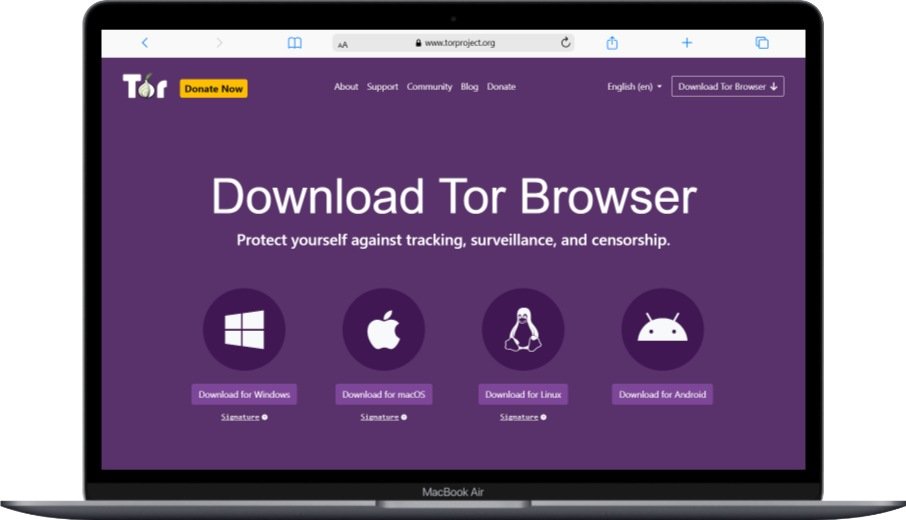
The Tor Browser serves as the primary gateway to the dark web for most users. Download it only from the official Tor Project website to avoid malicious versions that might compromise your security. Fake Tor browsers containing malware get distributed through unofficial sources, so verifying the download source is crucial.
Install the browser by following the official instructions. Don’t change the default settings unless you understand the security risks. The Tor Browser is set up for anonymity. Altering these settings may lower your protection.
Set your security level to “Safest” in the Tor Browser settings. This disables risky features like JavaScript on all sites. While this may limit some website functions, it offers the best protection against attacks aimed at identifying users or compromising their anonymity.
Test your Tor connection using the browser’s built-in connection test before attempting to access dark web sites. This verification ensures that your connection is working properly and that you’re successfully routing traffic through the Tor network rather than your regular internet connection.
Using VPN Services with Tor
Using a VPN service adds extra protection for dark web access, but it needs careful setup. Make sure the VPN routes traffic before it enters the Tor network. This way, you keep your anonymity intact.
Pick a VPN provider that doesn’t keep logs of user activity. It’s a plus if they accept anonymous payment methods, such as cryptocurrency. Avoid free VPN services. They often lack security and might still track user activities, even if they say they don’t.
Connect to the VPN first, then launch the Tor Browser to create a “VPN over Tor” configuration. This setup ensures that your internet service provider can’t see that you’re using Tor, while the VPN provider can’t see what websites you visit because your traffic gets encrypted by the Tor network.
Be aware that some VPN configurations can actually reduce your anonymity if set up incorrectly. Research the proper configuration methods for your chosen VPN service, and consider whether the additional complexity is worth the marginal security improvement for your specific use case.
Operating System Considerations
Tails (The Amnesic Incognito Live System) offers top security for dark web access. It runs entirely from a USB drive and leaves no traces on your computer. When you shut down, it automatically deletes all activity. This makes it impossible for forensic analysis to find evidence of your dark web use.
Windows and macOS can be used for dark web access, but they come with extra security risks. Their complex architectures and many background processes can leak identifying information, even with Tor. They are also more vulnerable to malware, which can threaten your anonymity.
Linux distributions offer better security than Windows or macOS but still require careful configuration to minimize privacy risks. Disable unnecessary services, use full disk encryption, and avoid installing software that might compromise your anonymity or create security vulnerabilities.
Whichever operating system you choose, disable automatic updates and background internet connections that could bypass the Tor network. Set up your system to route all internet traffic through Tor. Block any apps that try to connect directly to the internet without using the anonymity network..
Common Dark Web Risks and Dangers
Malware and Cyber Threats
Dark websites often have malware that steals personal information. They can install backdoors on your computer or turn your machine into a criminal botnet. These threats are more advanced and dangerous than regular surface web malware. They target users who want to stay anonymous.
Ransomware spreads through dark web downloads and malicious links. It encrypts your files and demands payment for their release. Criminal groups use the dark web to test new malware and launch attacks that mainstream antivirus software hasn’t detected yet.
Cryptocurrency mining malware secretly uses your computer to make digital money for criminals. It can slow down your system and raise your electricity bills. Meanwhile, attackers profit from mining code hidden in dark web sites and downloads.
Browser exploits target Tor users. They try to reveal your real IP address, even if you’re using an anonymity network. These attacks can expose your identity to law enforcement or criminals, putting your safety at risk.
Legal Implications and Law Enforcement
Simply accessing the dark web is legal in most countries, but many activities that occur there violate local and international laws. Law enforcement agencies actively monitor dark web activities and have developed sophisticated techniques for identifying and prosecuting users who engage in illegal activities.
Purchasing illegal goods or services through dark web marketplaces creates serious legal liability even if the transactions don’t complete successfully. Many dark web marketplaces are actually law enforcement operations designed to identify and prosecute potential buyers of illegal products.
Downloading illegal content from dark web sites can result in serious criminal charges regardless of whether you intended to access such material. Some countries have strict laws about possessing certain types of content, and accidentally downloading illegal files can create significant legal problems.
International law enforcement cooperation has led to successful prosecutions of dark web users across multiple countries. The anonymity provided by these networks isn’t perfect, and determined law enforcement efforts can sometimes identify users through various technical and investigative techniques.
Financial Scams and Fraud
Dark web marketplaces frequently operate exit scams where administrators disappear with customer payments after building trust over months or years. These scams affect both buyers and sellers, and victims have no legal recourse because the entire transaction occurred in an illegal context.
Cryptocurrency theft through fake wallet services and fraudulent exchange platforms targets dark web users who need anonymous payment methods. Criminals create convincing copies of legitimate services to steal digital currency from users who can’t report the theft to authorities without admitting illegal activities.
Identity theft services on the dark web sell personal information that criminals use for financial fraud. Even users who don’t purchase these services face risks because their own information might be sold if they provide any personal details during dark web transactions.
Fake escrow services promise to protect buyers and sellers in dark web transactions but actually steal payments from both parties. These services appear legitimate and might operate successfully for small transactions before disappearing with larger amounts of money.
Personal Safety and Privacy Risks
Dark web activities can attract attention from criminal organizations who might attempt to identify and target users for various reasons. Criminals sometimes seek to extort users by threatening to expose their dark web activities or personal information to employers, family members, or law enforcement.
Downloading files from the dark web can expose personal information through hidden metadata or tracking codes embedded in documents, images, or software. This information might reveal your location, device details, or other identifying information that compromises your anonymity.
Social engineering attacks targeting dark web users attempt to trick people into revealing personal information or clicking malicious links. Criminals understand that dark web users are trying to maintain privacy, and they craft specific attacks designed to exploit this desire for anonymity.
Participation in dark web forums or communities can lead to personal conflicts that spill over into the real world. Some users might attempt to identify and harass others based on disagreements or perceived slights that occur in anonymous online interactions.
Popular Dark Web Networks and Platforms
Tor Network Architecture and Services
The Tor network operates as the largest and most well-known dark web platform, supporting thousands of hidden services and millions of users worldwide. The network relies on volunteer-operated relay servers that donate bandwidth and computing resources to maintain the anonymity infrastructure.
Tor hidden services include legitimate platforms like Facebook’s dark web mirror, which allows users in restrictive countries to access social media without government surveillance. Major news organizations, privacy tools, and educational resources operate official Tor mirrors to serve users who need additional privacy protection.
Directory services help users find legitimate dark web resources without having to memorize complex onion addresses. These directories are maintained by privacy advocates and digital rights organizations, providing curated lists of useful services while avoiding illegal content.
The Tor network faces ongoing challenges from governments and organizations that want to reduce its effectiveness. Despite these pressures, the network continues to grow and improve its security features to protect user privacy and resist censorship efforts.
I2P Network Features and Capabilities
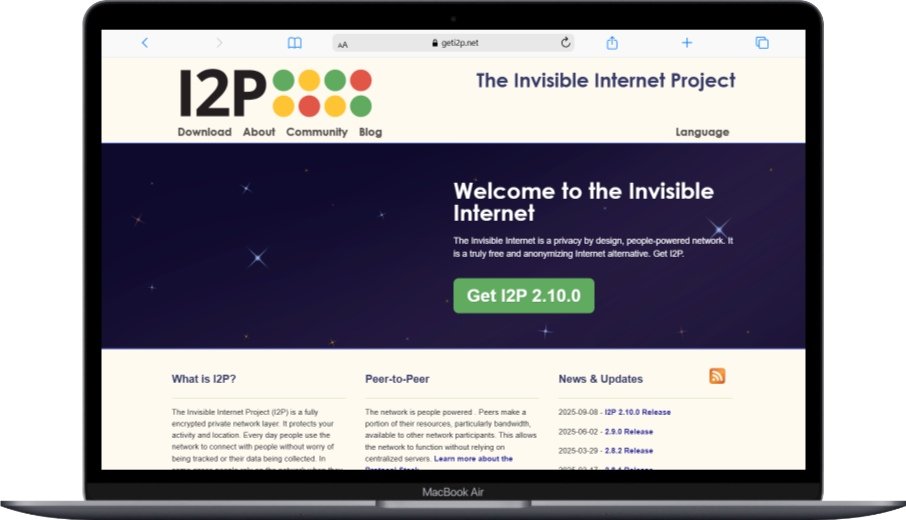
The Invisible Internet Project (I2P) creates a separate anonymous network that doesn’t directly connect to the regular internet. Instead of providing access to hidden versions of surface web sites, I2P creates an entirely separate internet where all participants use anonymity tools.
I2P uses different routing algorithms than Tor, creating multiple tunnels for each connection and changing routes frequently to avoid traffic analysis attacks. This architecture provides strong protection against surveillance but makes the network slower and more complex to use than Tor.
The I2P network hosts its own email systems, file sharing platforms, and communication tools that only work within the anonymous network. Users can access these services without any connection to the surface web, creating a completely separate digital ecosystem.
Development communities within I2P work on privacy tools, cryptography research, and network improvements that benefit the broader anonymity and digital rights movements. These communities operate independently from surface web organizations and focus specifically on advancing anonymous communication technologies.
Freenet’s Distributed Architecture
Freenet operates on a different model than Tor or I2P, creating a distributed storage system where content gets replicated across multiple user computers. This architecture makes it extremely difficult to censor or remove content because no central servers control what information is available.
Users contribute storage space and bandwidth to the Freenet network, allowing other users to store and retrieve encrypted data without revealing who uploaded or downloaded specific content. This system protects both content creators and consumers from identification and persecution.
The distributed nature of Freenet means that popular content becomes more available over time as more people access it, while unpopular content eventually gets removed to make space for new uploads. This natural selection process helps ensure that important information remains accessible.
Freenet’s architecture makes it particularly useful for preserving information that might be censored or destroyed by authorities. Historical documents, political materials, and other sensitive content can be stored permanently within the network without relying on any single organization or server.
Staying Safe While Browsing
Essential Security Practices
Never download files from unknown sources on the dark web, as these downloads frequently contain malware designed to compromise your anonymity or steal personal information. Even seemingly innocent files like documents or images can contain hidden code that executes when you open them.
Disable all browser plugins and extensions that might leak information about your identity or location. JavaScript, Flash, PDF viewers, and other active content can potentially bypass Tor’s anonymity protections and reveal your real IP address to malicious websites.
Use only HTTPS connections when available, and be extremely cautious about entering any personal information on dark web sites. Even sites that appear legitimate might be operated by criminals or law enforcement agencies attempting to gather information about users.
Keep your Tor Browser updated to the latest version to protect against newly discovered security vulnerabilities. The Tor Project regularly releases updates that fix security issues and improve anonymity protections, so running outdated versions creates unnecessary risks.
Avoiding Dangerous Content and Illegal Activities
Stay away from marketplaces selling illegal goods or services, as these sites often operate as law enforcement honeypots designed to identify and prosecute potential buyers. Even browsing these sites without making purchases can create legal problems in some jurisdictions.
Avoid clicking on links that promise illegal content or services that seem too good to be true. These links often lead to malware downloads, phishing sites, or law enforcement operations designed to identify users interested in illegal activities.
Be extremely cautious about any site requesting personal information, payment details, or account registration. Legitimate privacy-focused services typically require minimal information, while scam sites often request extensive personal details that could be used for identity theft.
Never attempt to meet people you encounter on dark web forums or platforms in real life, as these encounters can lead to dangerous situations. Criminal organizations sometimes use dark web communications to lure victims into physical meetings where they can be robbed, kidnapped, or harmed.
Protecting Your Digital Identity
Create separate email accounts and usernames specifically for any dark web activities, and never use the same credentials you use for surface web accounts. This separation prevents criminals from connecting your dark web activities to your real-world identity through password reuse or account correlation.
Avoid posting any information that could identify your location, occupation, interests, or personal details in dark web forums or communications. Even seemingly innocent information can be combined with other data to identify you, especially if you participate in multiple dark web communities.
Use different writing styles and avoid sharing specific knowledge or opinions that might be traceable to your real-world identity. Language patterns, technical knowledge, and personal opinions can serve as identifying factors that link anonymous accounts to real people.
Consider the long-term implications of any content you post or activities you engage in on the dark web. Information shared in anonymous forums might be preserved and analyzed years later, potentially creating future risks to your privacy and safety.
Technical Security Measures
Configure your computer’s firewall to block all internet connections except those going through Tor, preventing accidental data leaks through other applications or system processes. Many programs attempt to connect to the internet automatically, potentially bypassing your anonymity protections.
Use full disk encryption to protect your computer’s contents if it gets stolen or seized by authorities. Even if someone gains physical access to your computer, encrypted drives make it extremely difficult to access your files and browsing history.
Regularly clear your computer’s temporary files, browser cache, and other data that might contain evidence of your dark web activities. Use secure deletion tools that overwrite data multiple times to prevent forensic recovery of deleted information.
Consider using a separate computer or virtual machine exclusively for dark web access, keeping it completely separate from your regular computing activities. This isolation prevents cross-contamination and reduces the risk that dark web activities might compromise your other digital activities.

Legal Considerations and Ethical Guidelines
Understanding Legal Boundaries
Laws regarding dark web access vary significantly between countries, and what’s legal in one jurisdiction might be illegal in another. Some nations prohibit the use of anonymity tools entirely, while others allow dark web access but strictly regulate what activities are permissible once you’re there.
Accessing the dark web itself is generally legal in democratic countries, but many activities that occur there violate various laws. Simply viewing illegal content can constitute a crime in many jurisdictions, even if you don’t download or distribute the material.
International law enforcement cooperation means that illegal activities on the dark web can result in prosecution in your home country, even if the servers are located elsewhere. Treaties and agreements between nations allow authorities to pursue cybercriminals across borders.
Legal definitions of what constitutes illegal content or activities continue to evolve as technology advances. Activities that might have been legal when first performed could become illegal retroactively if laws change, creating ongoing legal risks for dark web users.
Ethical Considerations for Users
The anonymity provided by dark web networks creates opportunities for both positive and negative activities, and users must consider the ethical implications of their actions. Supporting platforms that facilitate harmful activities, even indirectly, contributes to the problems these networks enable.
Legitimate uses of the dark web for privacy protection and free speech should be weighed against the potential for supporting ecosystems that enable criminal activities. Users must decide whether their privacy needs justify contributing to networks that also host illegal content.
Sharing information about dark web access methods and tools can help people who genuinely need privacy protection, but it can also enable criminal activities by people with malicious intentions. This creates ethical dilemmas about how openly to discuss these technologies.
The responsibility for maintaining ethical standards on the dark web falls primarily on individual users, as there are no central authorities enforcing rules or guidelines. This self-regulation requires users to carefully consider the consequences of their actions and choices.
Professional and Academic Use Guidelines
Researchers studying dark web activities must follow strict ethical guidelines to avoid contributing to illegal activities while gathering data for legitimate academic purposes. Institutional review boards typically require detailed protocols for any research involving dark web content.
Law enforcement agencies must obtain proper warrants and legal authorization before conducting dark web investigations, just as they would for any other criminal investigation. These legal requirements help protect citizens’ privacy rights while allowing legitimate law enforcement activities.
Cybersecurity professionals who monitor dark web activities for threat intelligence must carefully limit their activities to passive observation and avoid engaging in any activities that might be considered participation in illegal activities.
Journalists reporting on dark web activities face ethical challenges about how much detail to provide about access methods and specific sites. Providing too much information might enable criminal activity, while providing too little might prevent important public education.
Privacy Tools and Additional Security
Encrypted Communication Methods
Secure messaging applications designed for the dark web provide additional layers of protection beyond what’s available through standard encrypted messaging services. These tools often include features like automatic message deletion, onion routing integration, and protection against metadata analysis.
Email services specifically designed for anonymous communication offer features like automatic encryption, anonymous account creation, and integration with dark web networks. These services typically don’t require personal information for account creation and automatically delete messages after specified time periods.
File sharing platforms on the dark web allow anonymous document exchange without revealing sender or recipient identities. These services often include features like automatic file encryption, temporary storage, and protection against traffic analysis attacks.
Voice communication tools provide encrypted voice calling through dark web networks, enabling real-time communication while maintaining anonymity. These services typically use advanced encryption protocols and route calls through multiple servers to protect user identities.
Anonymous Payment Systems
Cryptocurrency provides the primary payment method for dark web transactions, but using digital currency anonymously requires careful attention to transaction privacy and blockchain analysis prevention. Many cryptocurrencies aren’t as anonymous as users believe, and transactions can often be traced back to real identities.
Privacy-focused cryptocurrencies like Monero and Zcash provide better anonymity features than Bitcoin, using advanced cryptographic techniques to hide transaction amounts, sender addresses, and recipient addresses from blockchain analysis.
Cryptocurrency mixing services attempt to obscure the connection between different Bitcoin addresses by combining transactions from multiple users. However, many mixing services are scams or honeypots, and even legitimate mixers might not provide adequate privacy protection against determined analysis.
Anonymous payment cards and digital gift cards provide alternative payment methods that don’t require cryptocurrency knowledge. These options typically offer less privacy protection than properly used cryptocurrency but might be more accessible for users who don’t understand digital currency systems.
Advanced Privacy Technologies
Virtual private networks specifically designed for dark web use provide additional layers of protection beyond standard VPN services. These specialized VPNs often include features like automatic Tor integration, no-logging policies, and servers located in privacy-friendly jurisdictions.
Live operating systems like Tails provide maximum security by running entirely from removable media and leaving no traces on the host computer. These systems include pre-configured privacy tools and automatically route all internet traffic through anonymity networks.
Hardware security keys provide strong authentication for dark web accounts without requiring personal information that could compromise user anonymity. These physical devices generate cryptographic tokens that prove account ownership without revealing user identity.
Secure deletion tools permanently remove sensitive files from computer storage devices, making it impossible for forensic analysis to recover deleted data. These tools overwrite deleted files multiple times with random data to prevent any possibility of data recovery.
Network Security Monitoring
Traffic analysis tools help users verify that their internet connections are properly routing through anonymity networks rather than leaking information through alternative pathways. These tools can detect configuration errors that might compromise user privacy.
DNS leak protection prevents domain name queries from bypassing anonymity networks and revealing browsing activities to internet service providers or other monitoring organizations. Proper DNS configuration is essential for maintaining privacy while using dark web services.
Browser fingerprinting protection reduces the amount of identifying information that websites can gather about visitors through browser configurations, installed plugins, and system specifications. Dark web browsers typically include features to minimize these identifying characteristics.
Network monitoring tools help users detect potential surveillance or attacks against their internet connections while using dark web services. These tools can alert users to suspicious network activity that might indicate compromise attempts.
Frequently Asked Questions
Is accessing the dark web illegal?
No. Accessing the dark web itself is legal in most countries, including the United States, Canada, and most European nations. However, many activities that occur on the dark web are illegal, and simply viewing certain types of content can violate laws in some jurisdictions. Users must understand their local laws and avoid illegal activities while browsing.
Can law enforcement track dark web users?
Yes, though it requires significant resources and technical expertise. Law enforcement agencies have successfully identified dark web users through various methods including traffic correlation attacks, malware deployment, and operational security mistakes. While the dark web provides strong anonymity protections, it’s not completely immune to sophisticated investigation techniques.
Do I need special software to access the dark web?
Yes. The dark web cannot be accessed through regular browsers like Chrome, Firefox, or Safari. You need specialized software like the Tor Browser, I2P, or Freenet to connect to dark web networks. These tools provide the encryption and routing necessary to access hidden services that aren’t available on the regular internet.
Is the dark web only used for illegal activities?
No. While illegal marketplaces and services do exist on the dark web, many legitimate users rely on these networks for privacy protection. Journalists, activists, whistleblowers, and citizens in oppressive countries use the dark web to communicate safely and access information without government surveillance or censorship.
Can my internet provider see that I’m using the dark web?
Partially. Your internet service provider can see that you’re connecting to the Tor network, but they cannot see what websites you visit or what activities you perform once connected. Using a VPN before connecting to Tor can hide even the fact that you’re using anonymity software from your internet provider.
Is it safe to make purchases on dark web marketplaces?
No. Dark web marketplaces are extremely risky for several reasons. Many operate as scams designed to steal money from buyers. Law enforcement frequently operates fake marketplaces to identify criminals. Even legitimate marketplaces sell illegal goods, creating serious legal risks for buyers regardless of whether transactions complete successfully.
Conclusion
The dark web represents a complex digital ecosystem that serves both legitimate privacy needs and illegal activities. Understanding how these hidden networks operate helps you make informed decisions about online privacy and security, whether you choose to access them or not. The technology behind the dark web continues evolving as both privacy advocates and law enforcement develop new tools and techniques.
Privacy protection remains a fundamental right in democratic societies, and the dark web provides important tools for people facing surveillance, censorship, or persecution. However, the same technologies that protect legitimate users also enable criminal activities that harm individuals and society. This duality creates ongoing debates about privacy, security, and the proper balance between individual rights and public safety.
The technical knowledge required to use dark web networks safely extends far beyond simply downloading the Tor Browser. Users must understand endpoint protection, network security, operational security practices, and legal implications before attempting to explore these hidden networks. Mistakes in any of these areas can lead to serious consequences ranging from malware infections to legal prosecution.
As technology advances, the link between privacy tools and law enforcement will keep changing. New privacy technologies may offer better protection for legitimate users. At the same time, new investigation techniques could help identify criminals more easily. Knowing these changes helps everyone make smarter choices about digital privacy and security in our connected world.
You May Also Like
 VPN
VPNCloudflare WARP as a Free VPN Alternative: Review After Months of Daily Use
 Proxies
10 Best Public DNS Servers for Faster Browsing and Lower Gaming Latency in 2026
 Cyber Security
Can Ransomware Infect iCloud? What Mac and iPhone Users Need to Know
 Data Security & Privacy
Two-Factor Authentication (2FA): How It Works, Which Method to Use, and How to Stay Safe
 Data Security & Privacy
Is a Password Manager Safe? How to Use One Securely
 WordPress
12 Best Cheap SSL Certificate Providers To Secure Your Website
 Data Security & Privacy
Is Password Protection the Same as Encryption? Differences in Data Security
 Data Security & Privacy
What Is End-to-End Encryption? Your Complete Guide to Secure Communication
 Data Security & Privacy