Your digital footprint can shape what happens before a recruiter ever reads your resume. When someone searches your name on Google, checks your LinkedIn profile, looks through your portfolio, or sees an old social media post, they begin forming an opinion about you.
That does not mean every employer searches every candidate. It does mean that your online presence can support your job search or create questions you did not know were there.
For many of us, our digital footprint was built over years. We opened social media accounts in school. We commented on public posts. We joined online groups, created profiles, uploaded photos, wrote reviews, and signed up for websites we no longer use. Some of that information may still appear in search results.
The good news is that we can take more control over what people see. A strong digital footprint can show employers that you are skilled, reliable, professional, and active in your field. It can support your personal brand, strengthen your online reputation, and help you stand out from other job candidates.
A weak or unmanaged digital footprint can do the opposite. It can make a recruiter question your judgment, professionalism, communication style, or fit for the role. The goal is not to look perfect online. The goal is to make sure your digital identity reflects the person and professional you want people to see.
What Is a Digital Footprint?
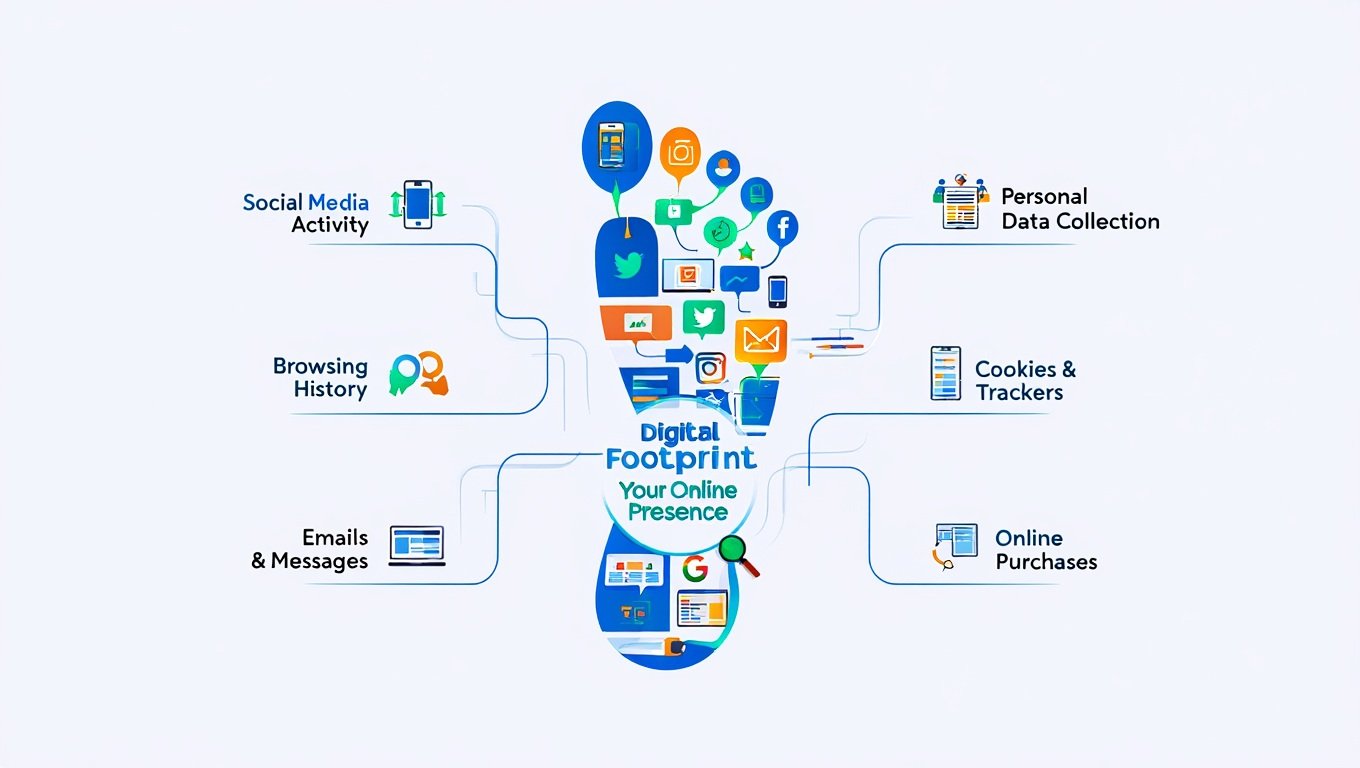
A digital footprint is the trail of information we leave behind when we use the internet. It includes content we post ourselves and data created when we use social media, websites, apps, devices, and online services.
Your digital footprint can include:
- Google search results connected to your name
- LinkedIn profile details
- Social media accounts
- Facebook posts and comments
- Instagram photos and captions
- TikTok videos
- X posts and replies
- YouTube comments
- Reddit activity
- Online reviews
- Online purchase
- Blog posts
- Guest articles
- Podcast appearances
- Personal websites
- Online portfolios
- GitHub repositories
- Behance projects
- Dribbble designs
- Published work
- Company biographies
- Event speaker pages
- News mentions
- Public records
- Old usernames
- Comments on forums
- Public photos where others tagged you
Some parts of your digital footprint are active. Active digital footprint content includes things you choose to post, such as a LinkedIn article, portfolio project, social media update, or professional comment.
Other parts are passive. Passive digital footprint data is collected through normal internet use. This can include website tracking, location data, browser cookies, online purchases, device information, and data collected by apps or data brokers.
When it comes to career opportunities, employers are usually more focused on public information. They may search your name, review your LinkedIn profile, look for a personal website, or check public social media activity.
Why Your Online Presence Matters During a Job Search
Your resume tells an employer what you say you have done. Your online presence can help them see examples of your work, your communication style, your industry knowledge, and your professional interests.
A recruiter may search for your name after receiving your application. A hiring manager may look at your LinkedIn profile before an interview. A potential client may review your portfolio before hiring you for freelance work.
When they find a clear and professional digital presence, it can make the decision easier.
For example, a marketing professional may have a LinkedIn profile showing campaign experience, a portfolio with real work samples, and thoughtful comments about brand strategy. A software developer may have GitHub projects that show coding skills. A designer may use Behance or Dribbble to display creative work. A writer may have published articles, newsletters, or a personal website.
These digital assets give people a reason to trust that you can do the work.
On the other hand, an employer may feel unsure if they cannot find any professional information about you, especially for roles where online credibility matters. An empty LinkedIn profile, outdated job title, broken portfolio link, or public account full of angry posts may raise questions.
We do not need to be online all the time. We do not need to become content creators. But having a basic and accurate professional presence can help us control the first impression people receive.
How Recruiters and Hiring Managers Review Candidates Online
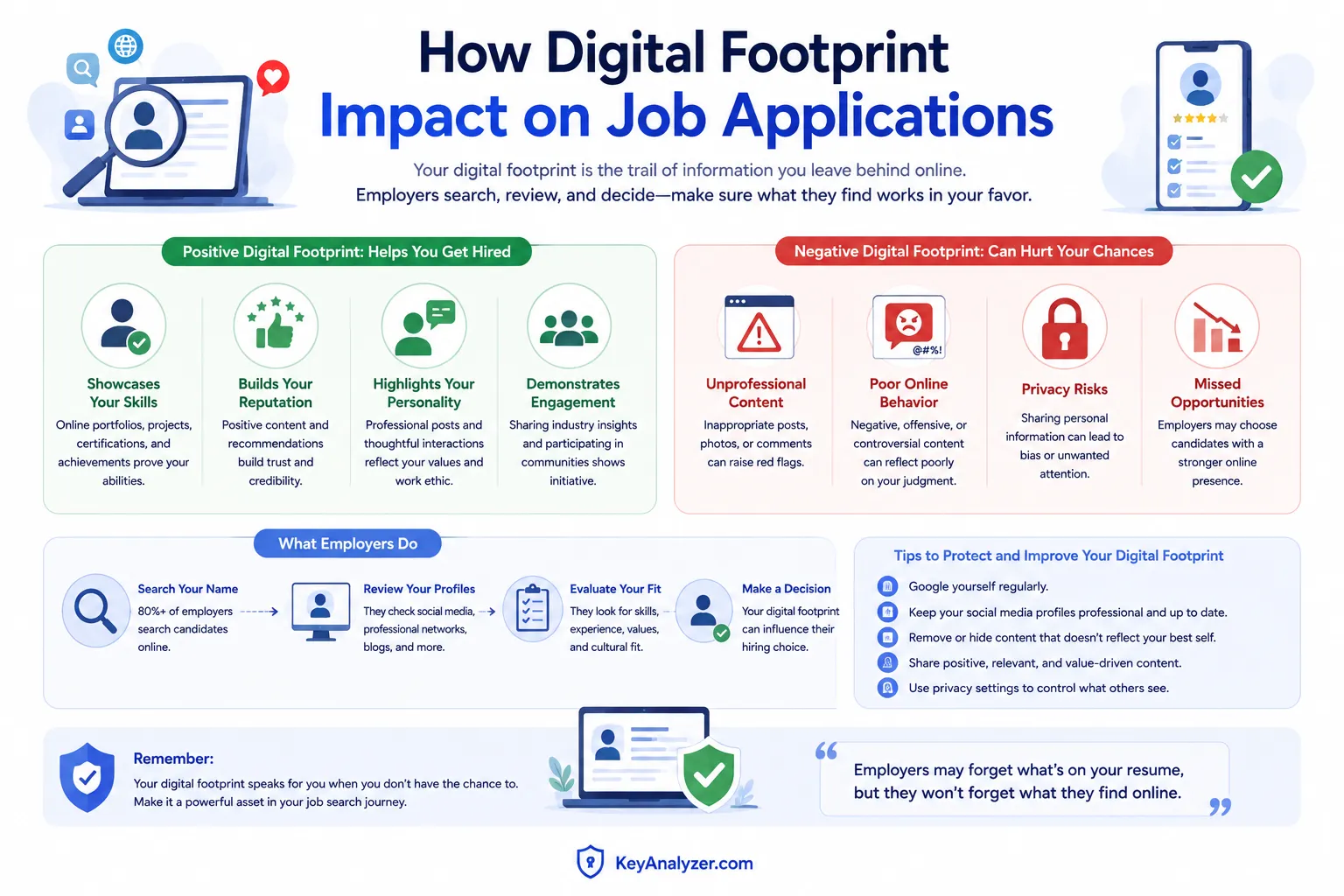
Recruiters and hiring managers often use Google Search, LinkedIn, company websites, professional portfolios, and public social media profiles to learn more about job candidates.
They may be looking for confirmation. Does the information on your resume match your LinkedIn profile? Do your skills, work history, job titles, and dates make sense? Can they see examples of your work? Do you appear to understand the industry?
They may also be looking for possible concerns. Public posts that show harassment, discrimination, threats, dishonesty, illegal activity, or poor judgment can affect how someone views a candidate.
The online screening process is sometimes called cybervetting. Cybervetting means reviewing public online information about a person during hiring, recruiting, admissions, or professional evaluation.
A recruiter may check:
| Online source | What they may look for |
|---|---|
| Google Search | Search results, articles, public profiles, mentions |
| Job history, skills, recommendations, professional network | |
| Personal website | Portfolio, services, work samples, biography |
| GitHub | Code, projects, technical skills, contributions |
| Behance or Dribbble | Design portfolio, creative style, completed projects |
| Public content, personal brand, visual work | |
| Public posts, profile details, community activity | |
| X | Public comments, professional interests, communication style |
| TikTok | Public videos, behavior, industry content |
| YouTube | Videos, interviews, tutorials, public comments |
| Glassdoor | Employer reviews and workplace commentary |
| Online publications | Articles, interviews, awards, speaking events |
They are not always looking for a reason to reject you. In many cases, they are trying to understand who you are beyond a one-page resume.
That is why it helps when our online presence tells a consistent story.
How a Strong Digital Footprint Creates Career Opportunities
A strong digital footprint can create opportunities before you start looking for a new job. Someone may find your work through a Google search, LinkedIn post, GitHub project, online portfolio, industry webinar, or professional comment.
This is especially useful for freelancers, consultants, entrepreneurs, job seekers, creatives, and professionals in competitive fields.
A positive digital footprint can help you:
- Build professional credibility
- Show proof of your skills
- Improve your personal brand
- Strengthen your online reputation
- Attract recruiters
- Connect with industry peers
- Earn client trust
- Find speaking opportunities
- Build referral relationships
- Support salary negotiations
- Create freelance leads
- Show leadership in your field
For example, a freelance photographer may post a polished portfolio on their website and Instagram. A hiring manager looking for a photographer can see their style before making contact.
A project manager may share practical LinkedIn posts about team communication, scheduling, and stakeholder updates. Over time, those posts can show that they understand the work and can explain it clearly.
A job seeker in cybersecurity may publish a simple article about password managers, phishing awareness, or data privacy. They do not need to reveal confidential details or write advanced research. They only need to show that they understand important topics and can communicate them well.
Your digital footprint can become a form of social proof. It gives people evidence that you are active, informed, and serious about your profession.
How a Negative Digital Footprint Can Hurt Your Career
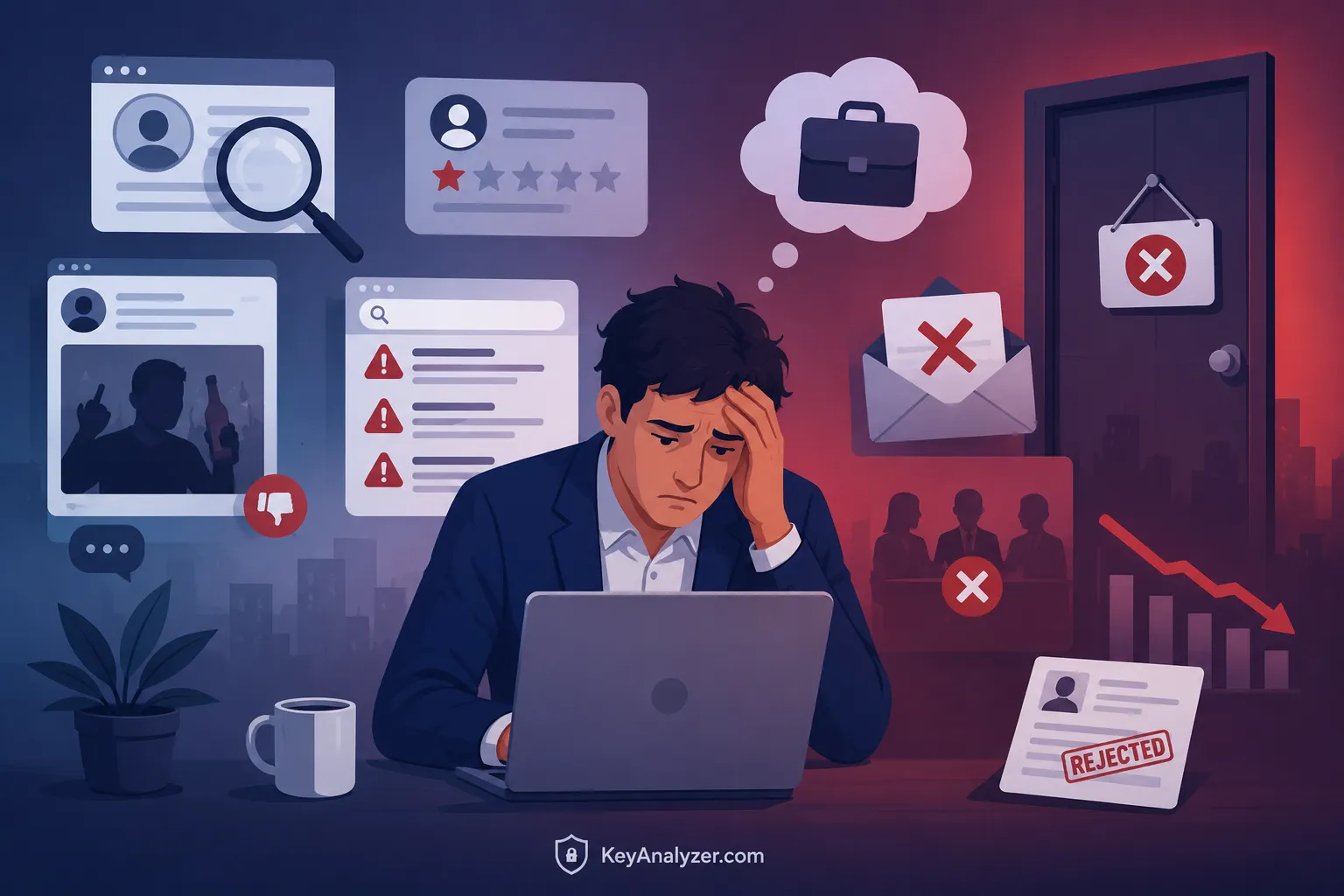
A negative digital footprint can affect job opportunities when public content makes employers question your professionalism, reliability, values, or judgment.
This does not mean employers expect us to have no opinions or no personal life. Everyone has bad days, strong views, jokes that do not land, and old posts they may not write today.
The problem starts when public content creates a pattern that is hard to ignore.
Examples may include:
- Harassing or insulting comments
- Discriminatory language
- Threats or violent statements
- Public arguments with employers or clients
- Sharing confidential workplace information
- Posting private customer details
- Repeated complaints about former jobs
- Misleading job titles or qualifications
- Inappropriate public photos connected to a professional account
- Offensive jokes
- Evidence of dishonesty
- Public attacks on coworkers
- Suspicious links or scam-related activity
A single old post may not end a career opportunity. But employers may notice repeated behavior, especially if the content is easy to find and directly connected to your name.
We should also be careful when discussing current or former employers online. It is possible to talk about a difficult work experience without sharing confidential information, naming people, or making public accusations we cannot support.
A professional response can protect our reputation. A reactive post can stay online much longer than the emotion that caused it.
Google Search Results and Your Professional Reputation
Google Search plays a major role in online reputation management. Before you apply for a job, search your full name in Google and see what comes up.
Use a private or incognito browser window if possible. This can reduce the effect of your personal search history on the results.
Search for:
- Your full name
- Your name and city
- Your name and employer
- Your name and job title
- Old usernames
- Your name in quotation marks
- Your email address, if appropriate
- Images connected to your name
Look at the first few pages of results. What would a recruiter, hiring manager, client, or business partner see?
You may find:
- An old social media profile
- A forgotten forum account
- Public comments
- News articles
- A previous company biography
- An old portfolio
- Outdated job details
- Images you did not know were public
- Another person with the same name
If you find negative or inaccurate information, do not panic. Start by deciding what you can control.
You may be able to delete an old post, make a profile private, update a public biography, request removal from a website, or create stronger professional content that becomes more visible in search results.
This is one reason a LinkedIn profile and personal website can be useful. They can help us build a more accurate professional identity online.
LinkedIn and Your Professional Digital Identity
LinkedIn is one of the most important online platforms for job seekers, recruiters, freelancers, and business professionals. It often appears near the top of Google Search results for a person’s name.
A strong LinkedIn profile can help recruiters understand your experience quickly. It can also help you appear in LinkedIn searches when recruiters look for people with specific skills, job titles, locations, industries, or certifications.
Your LinkedIn profile should include:
- A current professional photo
- A clear headline
- An accurate location
- A summary that explains your work
- Current and past job experience
- Relevant skills
- Education and certifications
- Portfolio links
- Volunteer work, if relevant
- Recommendations, if available
- Industry keywords connected to your target role
Your headline should say more than your current job title. Instead of writing only “Marketing Manager,” you could write something more specific, such as “Marketing Manager | Content Strategy, SEO, Email Campaigns, and Brand Growth.”
That helps people understand what you do. It also gives LinkedIn and search engines more context about your professional skills.
Use keywords that match the jobs you want. A data analyst may include SQL, Excel, Tableau, Power BI, data visualization, reporting, dashboard creation, and business intelligence. A graphic designer may include Adobe Creative Cloud, branding, visual identity, typography, web design, and UX design.
The goal is not to stuff every keyword into your profile. Write naturally and use terms that genuinely describe your experience.
Social Media and Career Opportunities
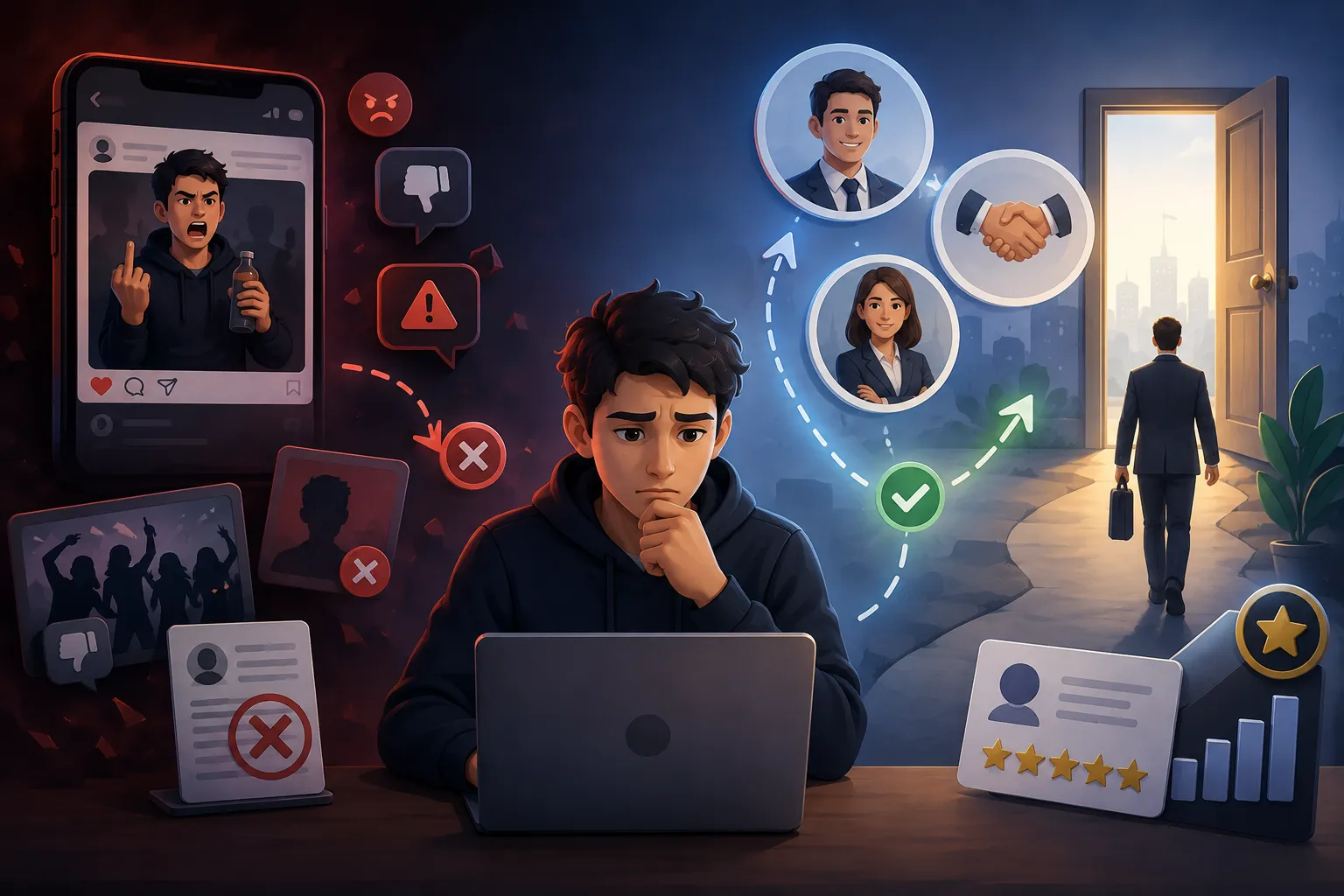
Social media can support or hurt career growth depending on how we use it. The same Instagram, Facebook, TikTok, X, Reddit, or YouTube account can show personality, creativity, and interests. It can also create problems if public activity does not match the reputation we want to build.
Before applying for jobs, review your social accounts as if you were a recruiter seeing them for the first time.
Ask yourself:
- Is this account public or private?
- What does my profile photo show?
- What does my bio say?
- What are my most recent posts?
- What have I commented on recently?
- Are there public photos where others tagged me?
- Do my public posts show good judgment?
- Is there anything I would not want a client or manager to see?
You do not need to delete your personality. You do not need to turn every social account into a professional account. But you should decide what you are comfortable making public.
For example, a personal Instagram account can remain personal. You can set it to private and keep your professional work on LinkedIn, a portfolio site, or a separate public account.
A public TikTok account may support your career if you share useful content related to your field. A chef may post recipes. A fitness coach may share safe workout tips. A career coach may discuss interview preparation. A web designer may show website redesigns.
The important question is whether your public content supports or distracts from your career goals.
Personal Branding Without Pretending to Be Someone Else
Personal branding is not about creating a fake version of yourself. It is about helping people understand your strengths, values, skills, and professional direction.
Your personal brand is shaped by what people see when they search your name, read your profile, review your work, or interact with you online.
A useful personal brand answers a few simple questions:
- What kind of work do you do?
- What problems do you help solve?
- What skills do you have?
- What industries do you understand?
- What type of opportunities are you looking for?
- What makes your work different?
- What proof can you show?
You do not need a large following to build a personal brand. You can build one by keeping your professional information accurate, sharing useful work, and communicating with respect.
A strong online professional presence may include:
- A complete LinkedIn profile
- A professional headshot
- A personal website
- A portfolio of completed work
- Case studies
- Client testimonials
- Industry certifications
- Articles or blog posts
- Thoughtful comments on professional topics
- Public speaking clips
- A newsletter
- A GitHub, Behance, or Dribbble profile
Not everyone needs all of these. Pick the platforms that fit your career.
A web developer may need GitHub and a portfolio. A designer may need Behance. A consultant may need LinkedIn and a personal website. A writer may need published clips and a portfolio page. A photographer may need an image-based portfolio and social media presence.
How to Clean Up Your Digital Footprint Before Applying for Jobs
Cleaning up your digital footprint does not mean deleting everything. It means making sure your public online presence matches the professional future you want.
Start with a digital footprint audit.
Search Your Name
Search your name in Google and other search engines. Review the results carefully. Look for old profiles, outdated information, public images, embarrassing posts, and accounts you forgot about.
Review Your Social Media Privacy Settings
Check privacy settings on Facebook, Instagram, TikTok, X, LinkedIn, and other platforms you use. Decide what should be public, private, visible to friends, or visible only to you.
Remember that changing a post to private does not remove screenshots or copies that may already exist. Still, privacy settings can reduce future exposure.
Delete or Archive Old Content
Remove public content that does not reflect who you are now. That may include old arguments, offensive jokes, personal complaints, public photos, or comments you would not make today.
If you cannot delete content because someone else posted it, ask them politely to remove it. You can also untag yourself from photos on some platforms.
Close Old Accounts
Old forums, shopping sites, gaming platforms, blogging accounts, and unused social profiles can stay visible for years. Close accounts you no longer use, especially if they contain personal information or old usernames.
Update Professional Details
Make sure your LinkedIn profile, resume, personal website, and portfolio tell the same story. Check job titles, dates, certifications, location, contact details, and links.
Conflicting information can create confusion. It may also make a recruiter wonder which version is accurate.
Build Better Search Results
If old or unhelpful information appears in search results, create current professional content. Update LinkedIn. Publish a portfolio. Add a personal website. Write a useful article. Join professional groups. Share a case study.
Over time, stronger and more relevant content may become easier for people to find.
Online Portfolios and Proof of Your Skills
An online portfolio can make a major difference because it gives people proof of what you can do.
A resume may say you are skilled in marketing, design, writing, coding, photography, project management, data analysis, or sales. A portfolio lets you show examples.
Your portfolio might include:
- Design projects
- Writing samples
- Case studies
- Campaign results
- Website screenshots
- Coding projects
- Data dashboards
- Sales presentations
- Photography work
- Video production
- Research reports
- Client testimonials
- Before-and-after examples
- Process explanations
You do not need to share confidential client information. If a project includes private details, remove names, numbers, and identifying information. You can explain the challenge, your role, your process, and the general outcome without exposing sensitive data.
For example, instead of sharing private sales figures, you could write, “Improved the company’s lead follow-up process by creating a new email sequence and sales tracking workflow.”
That shows your skill while respecting confidentiality.
Digital Footprint Risks for Freelancers and Business Owners
For freelancers and business owners, your digital footprint often becomes part of your business reputation. Potential clients may search your name before they search your company name.
They may look for:
- Your LinkedIn profile
- Google Business Profile
- Website
- Reviews
- Portfolio
- Social media accounts
- Testimonials
- Industry experience
- Contact information
- Online credibility
A strong digital footprint can help you earn trust before the first call. A complete website, clear services page, professional social profile, and real examples of your work can reduce doubt for a potential client.
But there are risks too. Be careful about posting customer details, client conversations, project files, payment records, or screenshots that reveal private information.
We should also be careful with public reviews. If someone leaves a negative review, do not argue emotionally. Respond calmly if a response is appropriate. Keep the reply focused on solving the issue, not winning a public fight.
A professional response can show future clients that you handle problems responsibly.
Data Privacy, Data Brokers, and Personal Information
Your digital footprint is not built only from social media. Data brokers, websites, apps, loyalty programs, and online services may collect information about us.
Data brokers collect, organize, and sometimes sell or share personal information. That may include names, addresses, phone numbers, age ranges, shopping behavior, household information, and public records.
This information may not always appear directly in a recruiter’s search. But it can still affect privacy and online reputation.
To reduce unnecessary exposure:
- Review privacy settings on major accounts
- Remove your information from data broker sites where possible
- Avoid posting your home address publicly
- Limit what you share in public profiles
- Use a separate business phone number when appropriate
- Do not post travel plans in real time
- Remove old public accounts
- Use strong passwords and two-factor authentication
- Be careful with online quizzes and unknown apps
- Review app permissions regularly
We cannot remove every trace of ourselves from the internet. But we can reduce how much unnecessary personal information is easy to find.
Building a Career-Friendly Digital Footprint
A career-friendly digital footprint does not require daily posting or a large audience. It requires consistency, accuracy, and evidence of your professional value.
You can start with a simple plan:
- Search your name and review what appears.
- Update your LinkedIn profile.
- Remove or privatize public content that could hurt your reputation.
- Create a basic portfolio or personal website.
- Add relevant industry keywords to your professional profiles.
- Share one useful piece of work or insight each month.
- Connect with people in your field.
- Ask for recommendations from trusted coworkers or clients.
- Keep resumes, profiles, and portfolio details consistent.
- Review your public digital footprint every few months.
You do not need to post constantly. A thoughtful LinkedIn update, a portfolio project, a short case study, or a helpful comment can be more valuable than posting every day without purpose.
The best online professional presence is one that feels real. People can tell when a profile is copied, exaggerated, or filled with vague claims. Use clear language. Show what you have done. Share what you are learning. Let your work speak for you.
Frequently Asked Questions About Digital Footprints and Careers
Can employers look at our social media profiles?
Yes. Employers can view public social media profiles, search results, online portfolios, and other public digital content. What they can legally consider may depend on local laws and the hiring process, but we should assume that public content can be seen.
Should we delete all of our social media before job hunting?
No. You do not need to delete every social media account. Review what is public, update privacy settings, remove content that no longer reflects you, and keep professional information accurate.
Does a lack of online presence hurt job opportunities?
Not always. Many people get hired without a large digital presence. However, a basic LinkedIn profile, clear portfolio, or professional website can make it easier for recruiters and clients to understand your experience.
What should we do if negative search results appear under our name?
Start by checking whether the information is accurate. Remove or update content you control. Ask websites to correct false details when possible. Then build positive, accurate professional content through LinkedIn, portfolios, articles, and relevant profiles.
Can an old post affect our career?
Yes. An old public post can affect career opportunities if it is easy to find and creates concerns about judgment, professionalism, honesty, or behavior. Review old public content before starting a job search.
How often should we check our digital footprint?
Review your digital footprint every few months and before major career moves. Search your name, review social media privacy settings, update LinkedIn, check portfolio links, and remove old accounts you no longer use.
Final Thoughts on Digital Footprints and Career Opportunities
Your digital footprint can support your career or create obstacles you never see coming. It can help recruiters find you, show clients what you can do, build trust in your personal brand, and give you more control over your professional reputation.
It can also work against you when public content is outdated, misleading, unprofessional, or disconnected from the career you want.
We do not need to become perfect online. We need to become intentional. Search your name. Review your public profiles. Clean up what no longer serves you. Build a LinkedIn profile, portfolio, or personal website that shows your real skills.
When your online presence matches the professional future you are working toward, it becomes an asset instead of a risk.
You May Also Like
 Cyber Security
Can Ransomware Infect iCloud? What Mac and iPhone Users Need to Know
 Data Security & Privacy
Two-Factor Authentication (2FA): How It Works, Which Method to Use, and How to Stay Safe
 Data Security & Privacy
Is a Password Manager Safe? How to Use One Securely
 Data Security & Privacy
19 Best Email Service Providers for Personal and Business Use
 WordPress
12 Best Cheap SSL Certificate Providers To Secure Your Website
 Data Security & Privacy
Is Password Protection the Same as Encryption? Differences in Data Security
 Data Security & Privacy
What Is End-to-End Encryption? Your Complete Guide to Secure Communication
 Data Security & Privacy
What Is a Cloud Security Scanner for AWS, Azure, and Google Cloud?
 Cyber Security