Monitoring your computer’s CPU temperature is one of the smartest things you can do for your system’s health. When you know how to check CPU temp, you’re taking control of your computer’s performance and longevity. The best CPU temp monitor tools make this easy, even if you’re not a tech expert.
I’ve tested many different system monitoring software, and I can tell you that watching your system resources isn’t just for enthusiasts. It’s necessary for anyone who wants their computer to run smoothly and last longer. When you see your CPU temperature staying well below the danger zone, you’ll feel more confident and relaxed about your machine’s performance.
Your CPU temperature depends on several factors like airflow, cooler quality, thermal paste application, motherboard VRM, overclocking settings, and how hard you’re pushing your system. Temperature is a great indicator of your system’s overall health. Using the right PC temperature monitor gives you all the important information you need to keep everything running perfectly. If you want to push your system to its limits, you might also be interested in our guide on CPU, GPU, and RAM stress testing.
11 Best CPU Temp Monitor Tools for Free to Download For Windows 10/11
1. CPU Thermometer

CPU Thermometer is one of my favorite simple hardware monitoring tools. This lightweight software gives you exactly what you need without any complicated features. I love how it shows your CPU temperature right when you open it, making it perfect for quick system health checks.
The interface is clean and straightforward – no confusing menus or settings to navigate. You can easily switch between Celsius and Fahrenheit, and there’s a handy warning system that alerts you when things get too hot. I’ve used this tool on many systems, from basic office computers to gaming rigs, and it never fails to deliver accurate thermal readings.
Key Features:
- Real-time CPU temperature monitoring
- Customizable temperature units (Celsius/Fahrenheit)
- Temperature warning alerts
- Lightweight and portable
- No installation required
Pros:
- Extremely easy to use
- Very lightweight on system resources
- Accurate temperature readings
- Free to use
- Works on all Windows versions
Cons:
- Limited features compared to other tools
- No GPU monitoring
- Basic interface might be too simple for some users
Best For: Beginners and users who want a simple, no-fuss temperature monitor without extra features.
2. Real Temp

Real Temp is one of the most reliable CPU temperature monitoring tools you can find. I’ve used this tool when testing overclocked systems, and it never disappoints. What makes Real Temp special is its ability to work with almost any processor, from older single-core CPUs to the latest multi-core monsters.
The software runs without installation, which I really appreciate when I need to check temperatures on different systems quickly. It shows individual core temperatures and keeps track of the minimum and maximum temperatures your CPU has reached. This feature is incredibly useful when you’re stress testing or trying to figure out if your cooling solution is working properly. Check out this content on how to check SSD health.
Key Features:
- Individual core temperature monitoring
- Min/max temperature tracking
- No installation required (portable)
- Works with most Intel and AMD processors
- Calibration for each CPU core
Pros:
- Highly accurate temperature readings
- Portable – no installation needed
- Tracks temperature history
- Lightweight and fast
- Free for personal use
Cons:
- The interface looks a bit dated
- Limited to CPU monitoring only
- No GPU or other system component monitoring
- Not updated as frequently as some other tools
Best For: Users who need accurate CPU temperature monitoring, especially when overclocking or testing system stability.
3. CAM | Free PC Monitoring Software
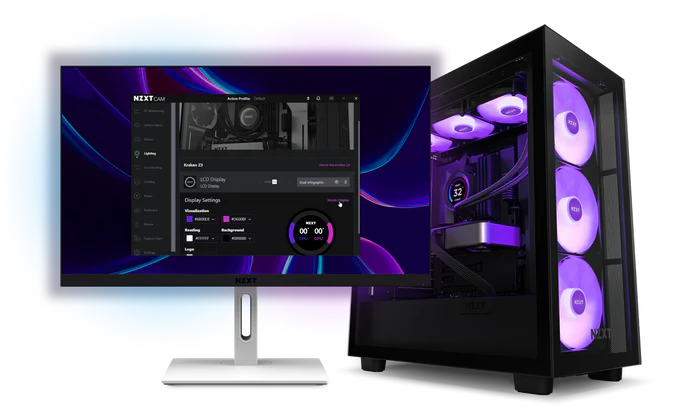
CAM has evolved into one of the most comprehensive system monitoring solutions for your PC available today. I’ve watched this software grow from a simple temperature monitor to a complete system dashboard. What I love most about CAM is how it combines beautiful visuals with powerful functionality for PC performance optimization.
The latest version of CAM monitors not just your CPU temperature, but also GPU temps, fan speeds, network activity, and even your FPS while gaming. I particularly enjoy using CAM when I’m gaming because I can overlay important system information right on my screen. The community around CAM is fantastic, with lots of users sharing custom dashboards and tips for getting the most out of the software.
Key Features:
- Complete system monitoring (CPU, GPU, RAM, storage)
- Real-time FPS overlay for gaming
- Customizable dashboard interface
- Mobile app for remote monitoring
- Community-shared themes and layouts
Pros:
- Beautiful, modern interface
- Comprehensive system monitoring
- Free version with lots of features
- Active community support
- Works with most hardware components
Cons:
- Can be resource-heavy on older systems
- Some features require paid version
- Occasional bugs with new updates
- Requires account creation for full features
Best For: Gamers and users who want a complete system monitoring solution with a modern interface.
4. AIDA64
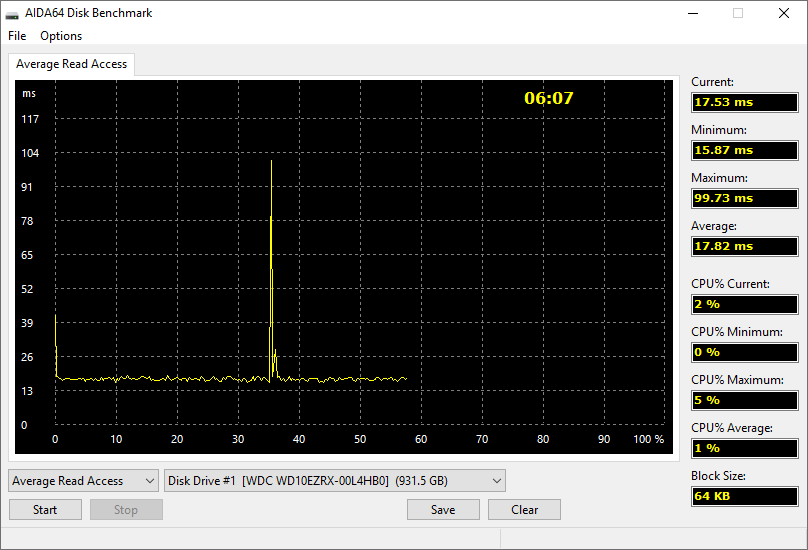
AIDA64 is the powerhouse of system diagnostic tools. I’ve relied on it when I need detailed information about any computer system. While it’s not free, the wealth of information it provides makes it worth every penny for serious enthusiasts and professionals who need comprehensive hardware analysis.
I use AIDA64 when I need to do deep system analysis, stress testing, or when I’m building a new PC and want to make sure everything is working perfectly. The software can monitor virtually every component in your system and provides detailed reports that are easy to understand even if you’re not an expert. The stress testing feature is particularly valuable for checking system stability.
Key Features:
- Comprehensive hardware and software information
- Advanced stress testing capabilities
- Detailed sensor monitoring
- Customizable alerts and logging
- Benchmarking tools
Pros:
- Extremely detailed system information
- Accurate sensor readings
- Powerful stress testing
- Regular updates for new hardware
- Professional-grade features
Cons:
- Paid software (free trial available)
- Can be overwhelming for beginners
- Higher system resource usage
- Expensive for casual users
Best For: System builders, overclockers, and IT professionals who need detailed system analysis and monitoring capabilities.
5. HWMonitor
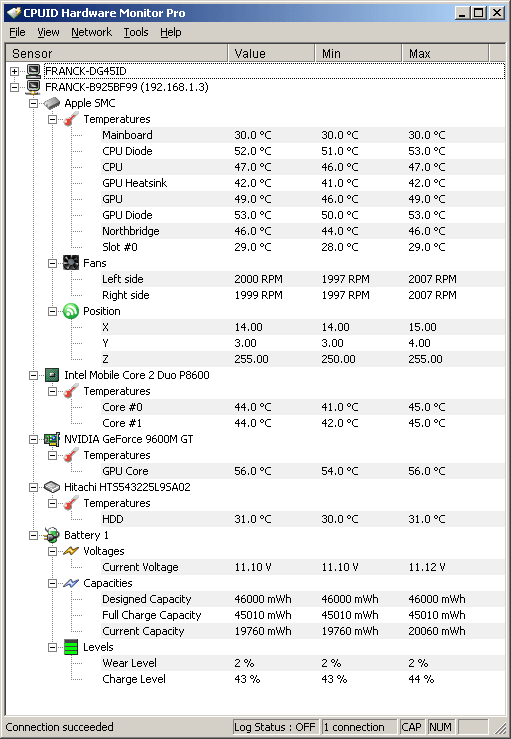
HWMonitor is the tool I recommend most often to friends and family who want to monitor their system temperatures. It’s simple, reliable, and gives you all the essential information without any complexity. I’ve used HWMonitor when I need accurate thermal management data.
What makes HWMonitor special is its ability to monitor not just CPU temperatures, but also GPU, motherboard, and hard drive temperatures. The interface is clean and straightforward, showing you current, minimum, and maximum values for all your system sensors. I love that it’s portable – you can run it from a USB drive without installing anything on your system.
Key Features:
- Multi-component temperature monitoring
- Min/max value tracking
- Voltage and fan speed monitoring
- Portable (no installation needed)
- Data export functionality
Pros:
- Completely free to use
- Lightweight and fast
- Monitors multiple components
- Easy to understand interface
- Portable version available
Cons:
- Basic interface design
- Limited customization options
- No alerts or warnings
- No mobile app support
Best For: Everyday users who want a simple, free tool to monitor their system temperatures and basic hardware information.
6. Core Temp
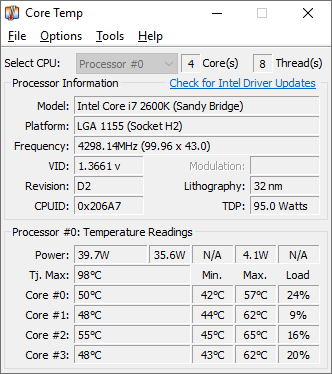
Core Temp is another tool that works great in 2025. I particularly like Core Temp because it focuses specifically on CPU thermal monitoring and does it exceptionally well. The software reads temperature data directly from your CPU’s digital thermal sensors, which means you’re getting the most accurate readings possible.
I’ve used Core Temp on many systems, from basic office computers to high-end gaming rigs. What I appreciate most is how lightweight it is – it barely uses any system resources while running in the background. The automatic shutdown feature is a lifesaver if your CPU gets too hot, potentially saving your hardware from damage.
Key Features:
- Direct CPU sensor readings
- Individual core temperature monitoring
- Automatic shutdown protection
- CPU load monitoring
- Lightweight background operation
Pros:
- Extremely accurate temperature readings
- Very low system resource usage
- Automatic overheating protection
- Free to use
- Supports most modern processors
Cons:
- Limited to CPU monitoring only
- Basic interface
- No GPU or other component monitoring
- Some features require additional plugins
Best For: Users who want accurate CPU temperature monitoring with minimal system impact and automatic protection features.
7. Game Assistant 2
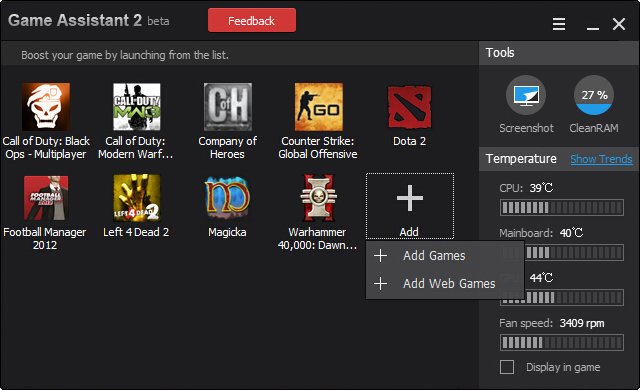
Game Assistant 2 has become increasingly popular among gamers, and I can see why. This tool combines game optimization features with system resource monitoring, making it perfect for anyone who spends a lot of time gaming on their PC. I’ve used Game Assistant 2 during gaming sessions, and I love how it keeps me informed about system temperatures without being intrusive.
What sets Game Assistant 2 apart is its gaming-focused design. The interface is sleek and modern, and it shows you exactly what you need to know while gaming – CPU temperature, GPU temperature, RAM usage, and fan speeds. The overlay feature is particularly useful, allowing you to monitor your system temperatures without leaving your game. If you’re interested in testing your graphics card’s performance, check out our guide on GPU stress testing tools.
Key Features:
- In-game temperature overlay
- Game optimization tools
- System resource monitoring
- Gaming-focused interface
- Performance boosting features
Pros:
- Perfect for gaming sessions
- Real-time overlay display
- Helps optimize game performance
- Free to use
- Modern, attractive interface
Cons:
- Limited features outside gaming
- Can use more system resources
- Some features require registration
- Not as detailed as dedicated monitoring tools
Best For: Gamers who want to monitor their system temperatures while playing games without sacrificing performance.
8. Speccy

Speccy is one of those tools that I keep handy when I need to quickly check a system’s specifications and temperatures. Developed by the same team behind CCleaner, Speccy offers a clean, professional interface that makes it easy to understand your system’s vital information for effective PC health monitoring.
I’ve used Speccy when helping friends troubleshoot their computers or when I need to quickly check system specifications. The free version gives you all the essential temperature monitoring features you need, while the paid version offers more detailed analysis. What I really like about Speccy is how it presents information in a way that’s easy to understand, even for beginners.
Key Features:
- Detailed system information
- Temperature monitoring for multiple components
- Real-time sensor data
- System summary reports
- Easy-to-read interface
Pros:
- Clean, professional interface
- Comprehensive system information
- Free version with essential features
- Easy to understand for beginners
- Regular updates
Cons:
- Some advanced features require paid version
- Not as lightweight as some alternatives
- Limited customization options
- No real-time overlay features
Best For: Users who want a comprehensive system information tool with temperature monitoring capabilities.
9. Speedfan
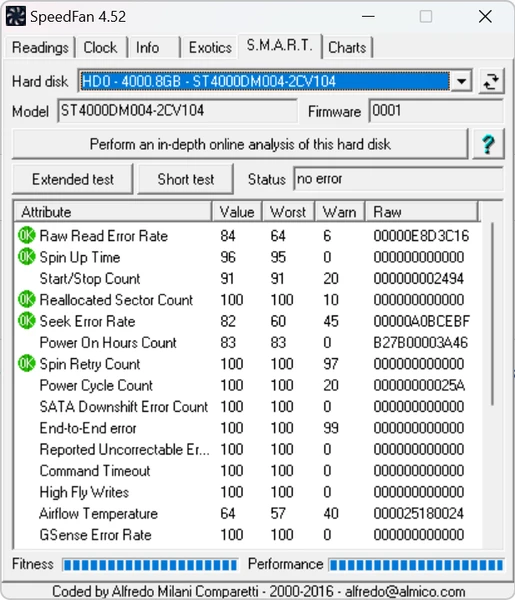
SpeedFan is one of the most powerful fan control and temperature tracking tools available. What makes SpeedFan unique is its ability to not just monitor temperatures, but actually control your system fans to optimize cooling. I’ve used SpeedFan on systems where I needed fine-tuned control over cooling.
The interface might look a bit dated compared to newer tools, but don’t let that fool you – SpeedFan is incredibly powerful. It can monitor temperatures from various sensors, control fan speeds, and even help you create custom cooling profiles. I particularly appreciate the chart functionality, which lets you see temperature trends over time.
Key Features:
- Advanced fan speed control
- Multiple temperature sensor monitoring
- Custom cooling profiles
- Temperature trend charts
- System voltage monitoring
Pros:
- Powerful fan control capabilities
- Monitors multiple system sensors
- Customizable cooling profiles
- Free to use
- Works with most hardware
Cons:
- Dated interface design
- Can be complex for beginners
- Risk of incorrect fan settings
- Limited support for newer hardware
Best For: Advanced users who want detailed control over their system cooling and fan speeds.
10. Open Hardware Monitor
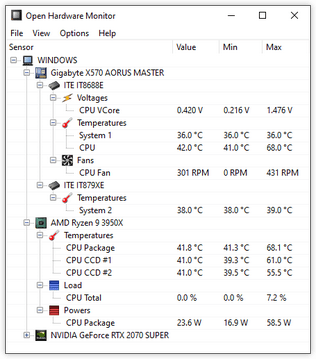
Open Hardware Monitor is a newer tool that I’ve been testing, and I’m impressed with what it offers. This open-source software provides comprehensive monitoring of your system’s temperature sensors, fan speeds, voltages, and clock speeds. What I love about it is how it combines the simplicity of older tools with modern features and compatibility for effective hardware diagnostics.
The interface is clean and organized, making it easy to find the information you need. It supports a wide range of hardware, including the latest CPUs and GPUs. I’ve found it particularly useful when I need to monitor multiple systems because it’s lightweight and doesn’t require installation.
Key Features:
- Open-source and free
- Comprehensive hardware monitoring
- Real-time sensor data
- Tree-structured interface
- Supports latest hardware
Pros:
- Completely free and open-source
- Modern, clean interface
- Supports latest hardware
- Lightweight and portable
- Regular community updates
Cons:
- Still relatively new
- Limited advanced features
- No mobile app
- Some hardware compatibility issues
Best For: Users who want a modern, open-source monitoring tool with good hardware support.
11. HWiNFO64

HWiNFO64 is another tool that I’ve added to my monitoring toolkit, and I’m amazed at how comprehensive it is. This software provides incredibly detailed information about every component in your system, from CPU and GPU temperatures to motherboard sensor data and storage drive health. I use HWiNFO64 when I need the most detailed system analysis tools possible.
What sets HWiNFO64 apart is its ability to monitor sensors that other tools miss. It can detect temperature sensors on your motherboard, graphics card, and even individual components on your SSD. The level of detail is impressive, and it’s all presented in a well-organized interface that makes it easy to find what you’re looking for.
Key Features:
- Extremely detailed hardware information
- Comprehensive sensor monitoring
- Real-time data logging
- Customizable sensor display
- Supports virtually all hardware
Pros:
- Most detailed monitoring available
- Detects sensors other tools miss
- Free for personal use
- Regular updates
- Professional-grade accuracy
Cons:
- Can be overwhelming for beginners
- Higher system resource usage
- Complex interface
- Some features require technical knowledge
Best For: Advanced users and professionals who need the most detailed system monitoring and hardware information available.
Frequently Asked Questions (FAQ)
What is a safe CPU temperature?
A safe CPU temperature depends on your specific processor, but generally, you want to keep it below 80°C under load. For most modern CPUs, idle temperatures should be between 30-50°C, while gaming or heavy workloads might push it to 60-75°C. Anything consistently above 80°C could be cause for concern.
Do I need to install multiple temperature monitoring tools?
Not really. Most users only need one good temperature monitoring software. I recommend starting with something simple like HWMonitor or Core Temp. If you need more features, you can always try a more comprehensive tool like CAM or AIDA64.
Are these temperature monitoring tools safe to use?
Yes, all the tools I’ve mentioned are safe to use. They only read sensor data from your system and don’t make any changes unless you specifically use features like fan control in SpeedFan. Always download software from official websites to ensure you’re getting safe, legitimate versions.
Can temperature monitoring tools improve my computer’s performance?
While these tools don’t directly improve performance, they help you identify when your system is running too hot. Overheating can cause thermal throttling, which slows down your CPU to prevent damage. By monitoring temperatures, you can ensure your system runs at optimal performance. Keeping your system optimized also includes maintaining up-to-date drivers, which you can learn more about in our guide on free driver updater tools.
Do I need to pay for CPU temperature monitoring software?
Not necessarily. Most users can get by perfectly well with free tools like HWMonitor, Core Temp, or CPU Thermometer. Paid tools like AIDA64 offer more advanced features, but they’re usually only needed by enthusiasts and professionals who require detailed system analysis. For additional system maintenance, you might also find our guide on free registry cleaners helpful for keeping your system running smoothly.
Conclusion
Monitoring your CPU temperature is one of the best things you can do to keep your computer running smoothly for years to come. I’ve used all these system monitoring tools, and I can tell you that having the right temperature monitor gives you peace of mind and helps you catch problems before they become serious.
For most users, I recommend starting with something simple like HWMonitor or Core Temp. They’re free, easy to use, and give you all the essential temperature information you need. If you’re a gamer, CAM or Game Assistant 2 might be better choices with their in-game overlays. And if you’re a serious enthusiast or professional, AIDA64 or HWiNFO64 provide the detailed analysis you’re looking for.
Remember, keeping your CPU cool isn’t just about performance – it’s about protecting your investment and ensuring your computer lasts as long as possible. With these tools, you’ll always know exactly how your system is doing and can take action before any heat-related problems occur.
For more information about system optimization and computer maintenance, check out our guide on best free networking tools that can help you keep your entire system running smoothly.
You May Also Like
 Best Software
Top 10 Free & Open Source Inventory Management Software in 2026
 Best Software
10 Best Inventory Control Software for Small Business in 2026
 Best Software
12 Best AI Chatbot Software To Increase Your Conversions In 2026
 Best Software
23 Best Free Avatar Creator Sites Online To Create Your Own Avatars
 SaaS
SaaS11 Best VoIP Call Center Solutions for Small Business 2026 (Comparison Guide)
 Best Software
6 Best Software to Record Mouse and Keyboard Actions and Automate Repetitive Tasks
 Best Software
Jira vs Hive: Which Project Management Tool is Right for Your Team?
 Best Software
8 Best Free Registry Cleaners Tools to Clean Junk and Registry on Windows PC
 Best Software